Philip Roth''s twenty-seventh book takes its title from an anonymous fifteenth-century English allegorical play whose drama centres on the summoning of the living to death and whose hero, "Everyman", is intended to be the personification of mankind. The fate of Roth''s Everyman is traced from his first shocking confrontation with death on the idyllic beaches of his childhood summers and during his hospitalisation as a nine-year-old surgical patient through the crises of health that come close to killing him as a vigorous adult, and into his old age, when he is undone by the death and deterioration of his contemporaries and relentlessly stalked by his own menacing physical woes. A successful commercial advertising artist with a New York ad agency, he is the father of two sons who despise him and a daughter who adores him, the beloved brother of a good man whose physical well-being comes to arouse his bitter envy, and the lonely ex-husband of three very different women with whom he''s made a mess of marriage. "Everyman" is a painful human story of the regret and loss and stoicism of a man who becomes what he does not want to be. The terrain of this savagely sad short novel is the human body, and its subject is the common experience that terrifies us all.
Ficha técnica
Editorial: Arrow (Random)
ISBN: 9780099507260
Idioma: Inglés
Número de páginas: 192
Tiempo de lectura:
3h 54m
Encuadernación: Tapa blanda
Fecha de lanzamiento: 09/10/2007
Año de edición: 2007
Plaza de edición: London
Especificaciones del producto
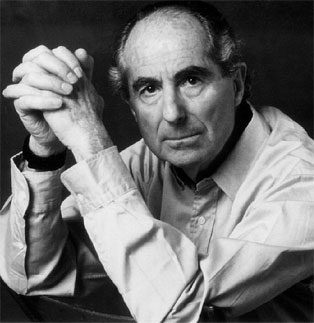
Escrito por Philip Roth
(Newark, Nueva Jersey, 19 de marzo de 1933 - Nueva York, 22 de mayo de 2018). Cursó estudios en las universidades de Rutgers, Bucknell y Chicago. Profesor de inglés en las universidades de Chicago y de Iowa. Su primera obra, Adiós, Colón (1959), libro de relatos sobre la vida de los judíos en Estados Unidos, ganó en 1960 el National Book Award. En 1998, fue galardonado con el Premio Pulitzer de ficción por su obra Pastoral americana, el primer volumen de su Trilogía americana, compuesta también por Me casé con un comunista (1998) y La mancha Humana (2000). En 2011 el Premio Man Booker reconoció la trayectoria de uno de los eternos candidatos al premio Nobel. Premio Príncipe de Asturias de las Letras 2012.