INCLUDES THE NEVER-BEFORE-PUBLISHED NOVEL In print for the first time ever, author and philosopher Ayn Rand s novel "Ideal." Originally conceived as a novel but then transformed into a play by Ayn Rand, "Ideal "is the story of beautiful but tormented actress Kay Gonda. Accused of murder, she is on the run, and she turns for help to six fans who have written letters to her, each telling her that she represents their ideal a respectable family man, a far-left activist, a cynical artist, an evangelist, a playboy, and a lost soul. Each reacts to her plight in his own way, their reactions a glimpse into their secret selves and their true values. In the end their responses to her pleas give Kay the answers she has been seeking. "Ideal "was written in 1934 as a novel, but Ayn Rand thought the theme of the piece would be better realized as a play and put the novel aside. Now, both versions of "Ideal "are available for the first time ever to the millions of Ayn Rand fans around the world, giving them a unique opportunity to explore the creative process of Rand as she wrote first a book, then a play, and the differences between the two. WITH AN INTRODUCTION BY LEONARD PEIKOFF "
Ficha técnica
Editorial: Signet. Penguin Putman
ISBN: 9780451473172
Idioma: Inglés
Número de páginas: 144
Tiempo de lectura:
2h 54m
Encuadernación: Tapa blanda
Fecha de lanzamiento: 01/07/2015
Año de edición: 2015
Plaza de edición: Eeuu
Peso: 450.0 gr
Especificaciones del producto
Escrito por Ayn Rand
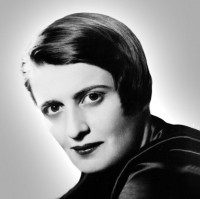
Ayn Rand (San Petersburgo, 1905; Nueva York, 1982) fue una escritora y filósofa nacida en Rusia y nacionalizada estadounidense. Tras publicar sus dos primeras novelas, Los que vivimos (1936) e Himno (1938), el éxito le llegó con El manantial (1943) y La rebelión de Atlas (1957), su obra cumbre. En ellas, Rand desarrolló su filosofía, conocida como Objetivismo, en la que concretiza su original visión del hombre como «un ser heroico, con su propia felicidad como el propósito moral de su vida, con el logro productivo como su actividad más noble, y con la razón como su único absoluto». Más tarde, establecería los fundamentos teóricos de dicha filosofía en sus libros de no ficción: Introducción a la epistemología objetivista (1979), La virtud del egoísmo (1964), Capitalismo: el ideal desconocido (1966) y El manifiesto romántico (1969). Deusto ha publicado sus obras completas. Su legado continúa siendo enormemente influyente entre conservadores y libertarios, tanto en Estados Unidos como en el resto del mundo, porque choca de frente contra la inercia cultural adquirida, cuestionando el eje «misticismo-altruismo-colectivismo» y sustituyéndolo por una filosofía basada en «razón-egoísmo-capitalismo».