Esta cuarta entrega de la serie Diseño de logotipos recoge los últimos y más interesantes trabajos realizados en este sector,desarrollados tanto por diseñadores de renombre como por nuevos estudios de diseño y artistas interesados en las ultimastendencias. El libro ofrece una variada muestra de tecnicas creativas a traves de los ejemplos de logotipos, etiquetas yelementos de papeleria corporativa, seleccionados entre mas de 3.000 trabajos procedentes de diferentes paises. Gracias asus ilustraciones a color, tanto los profesionales del diseño como sus clientes encontraran en esta obra una valiosa fuente deinspiracion y de nuevas ideas.
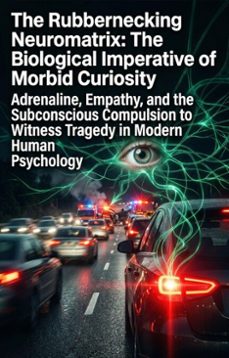
When traffic grinds to a halt on a highway, it is rarely due to blocked lanes; it is caused by the unavoidable human urge to slow down and stare at a horrific car crash. Society shames this behavior as "rubbernecking" or morbid curiosity, dismissing it as a cruel lack of empathy. In reality, it is a hardwired, highly specialized evolutionary survival mechanism.This book explores the neurological architecture of our macabre fascinations. When the brain detects a catastrophic event, the amygdala overrides social politeness, forcing the optic nerve to lock onto the carnage. The brain is frantically downloading environmental data to learn how the disaster occurred so it can update its own internal threat-avoidance algorithms.We dissect how modern media and true crime podcasts hijack this exact survival loop, commodifying our biological need to study the destruction of others.Discover the dark side of your own attention span. Learn why looking away from a disaster is a biological impossibility.