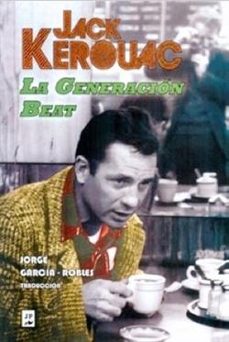
Set in 1953, this play is about tension, about friendship, and about karma - what it is and how you get it. It begins one fine morning with a few friends, honest laborers some of them, some close to being down-and-out, passing around a bottle of wine. It portrays an authentic and alternate 1950s America. "Beat Generation" is a play about tension, about friendship, and about karma - what it is and how you get it. It begins one fine morning with a few friends, honest laborers some of them, some close to being down-and-out, passing around a bottle of wine. It ends with a kind of satori-like reaffirmation of the power of friendship, of doing good through not doing, and the intrinsic worth of the throw-away little exchanges that make up our lives. Written in 1957, the same year that "On the Road" was first published, and set in 1953, "Beat Generation" portrays an authentic and alternate 1950s America. Kerouac's characters are working-class men and women - a step away from vagrants, but not a big step. Their dialogue positively sings, suggesting jazz riffs in their rhythm and content, and Kerouac, like a master composer, arranges it to magical effect. Here is the heart and soul of the beat mentality, the zeitgeist that blossomed over the decades and eventually culminated in the counter-culture of 1960s America. It's a spirit that still lives.
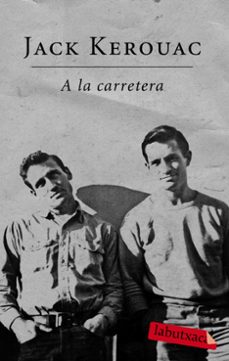
'What's your road, man? - holyboy road, madman road, rainbow road, guppy road, any road It's an anywhere road for anybody anyhow ' Sal Paradise, young and innocent, joins the slightly crazed Dean Moriarty on a breathless, exuberant ride back and forth across the United States...
La légende veut que Kerouac se soit dopé � la benzédrine pour écrire Sur la route, qu’il l’ait composé en trois semaines, sur un long rouleau de papier télétype, sans ponctuation. Il s’était mis au c
Alla radice di questo romanzo, pubblicato nel 1958 e subito processato per oscenità, c'è una vicenda reale, la storia d'amore vissuta dall'autore con una ragazza di colore, che in queste pagine rivive come in una confessione tanto difficile quanto liberatoria. Al centro, la figura di Mardou, sensuale, fascinosa, una creatura della notte attorno alla quale gira vorticosamente, ossessivamente, la vita dell'amante, e la città stessa (New York nella realtà, San Francisco nella finzione letteraria): una città onirica, cupa, frenetica, piena di alcol, di droghe, di sesso, di arte e di vita. Ma soprattutto, ciò che emerge dalla lettura dei "Sotterranei", è la rivoluzionaria lingua di Kerouac, che così descriveva la propria scrittura: "Ho inventato una nuova prosa, la prosa moderna, ondate spontanee e prive di revisioni, rapide, mozzafiato, come il jazz". Postfazione di Fernanda Pivano.
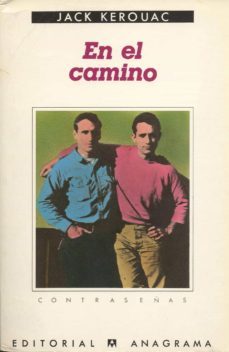
Sal paradise, un giovane newyorkese con ambizioni letterarie, incontra dean moriarty, un ragazzo dellovest. uscito dal riformatorio, dean comincia a girovagare sfidando le regole della vita borghese, sempre alla ricerca di esperienze intense. dean decide di ripartire per lovest e sal lo raggiunge; e il primo di una serie di viaggi che imprimono una dimensione nuova alla vita di sal. la fuga continua di dean ha in se una caratteristica eroica, sal non puo fare a meno di ammirarlo, anche quando febbricitante, a citta del messico, viene abbandonato dallamico, che torna negli stati uniti. postfazione di fernanda pivano.
Tristessa es el canto de amor platónico a una prostituta adicta a la morfina y mediadora entre William Garver y Bill Burroughs y los bajos fondos del hampa y de la droga; pero Tristessa es también el continente perfecto donde Kerouac acomete —además conmovernos con su compasión, su insondable soledad y sus anhelos de salvación— el más intenso y torrencial vertido de su llamada prosa espontánea en la que el espacio, el tiempo, la fe y el alma colapsan y se sumergen en un recorrido espectral por los callejones del inframundo chilango, un trayecto único por la mente alucinada e incomprendida de Jack Kerouac, acompañado para la ocasión de las magníficas ilustraciones de Dani Orviz.