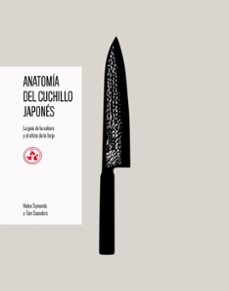
Los cuchillos japoneses son venerados en todo el mundo, y con razón: su elaboración está impregnada de historia y tradición, y el respeto y reconocimiento otorgados a los maestros artesanos garantiza
This compelling book explores the evolution of industrial Manchester, offering a fresh perspective on its built environment through the lens of architecture, archaeology, and social history. Richly illustrated and designed for both academic and general audiences, it sheds new light on Manchesters transformation during the Industrial Revolution, highlighting how the citys physical form shaped and was shaped by its socio-economic and cultural dynamics.By analysing architectural styles, building types, land use, and spatial relationships, the study identifies distinct phases of development from the early eighteenth to early twentieth century. It delves into how Manchesters material landscape mediated industrialisation and social tensions, reflecting the emergence of both bourgeois and proletarian communities. The book argues that the citys evolving physical structure was deeply intertwined with the capitalist logic of class relations, where architecture and urban spaces became arenas for competing social identities.Through mapping the enduring physical traces of these changes, and using a Marxist lens to examine shifting power structures in cities, the book underscores Manchesters role as a microcosm of industrial and urban transformation. It invites readers to rediscover the citys industrial heritage, emphasising the importance of its historic buildings in understanding the socio-economic forces that shaped modern urban lifebefore they are irrevocably altered by contemporary redevelopment.