
INGLÉS
SEEK MY FACE
Por John Updike
Descatalogado por distribuidor
Actualmente el distribuidor ha dejado de editar este producto pero podemos avisarte por correo electrónico si vuelve a estar disponible. Para esto, introduce tu email y pulsa sobre el botón “Avísame”.
¿Quieres que te avisemos si lo volvemos a recibir?
Sinopsis
John Updike s twentieth novel, like his first, The Poorhouse Fair (1959), takes place in one day, a day that contains much conversation and some rain. The seventy-eight-year-old painter Hope Chafetz, who in the course of her eventful life has been Hope Ouderkirk, Hope McCoy, and Hope Holloway, answers questions put to her by a New York interviewer named Kathryn, and recapitulates, through the story of her own career, the triumphant, poignant saga of postwar American art. In the evolving relation between the two women, the interviewer and interviewee move in and out of the roles of daughter and mother, therapist and patient, predator and prey, supplicant and idol. The scene is central Vermont; the time is the early spring of 2001.
Ficha Técnica
Editorial: Ballantine Books (Random)
ISBN: 9780345461186
Idioma: Inglés
Número de páginas: 276
Tiempo de lectura: 5h 40m
Encuadernación: Tapa blanda
Fecha de lanzamiento: 26/11/2003
Año de edición: 2003
Plaza de edición: Westminster (Maryland)
Especificaciones del producto
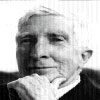
Recibe novedades de John Updike directamente en tu email
Reseñas sobre SEEK MY FACE
Comparte tu experiencia con la comunidad lectora.
0 Reseñas
5 0
4 0
3 0
2 0
1 0
Sólo por opinar entras en el sorteo mensual de tres tarjetas regalo valoradas en
20€
Publicar una opinión supone haber leído y aceptado las
bases del sorteo
"Tu opinión tiene premio".
Los libros más vendidos esta semana











Sinopsis
John Updike s twentieth novel, like his first, The Poorhouse Fair (1959), takes place in one day, a day that contains much conversation and some rain. The seventy-eight-year-old painter Hope Chafetz, who in the course of her eventful life has been Hope Ouderkirk, Hope McCoy, and Hope Holloway, answers questions put to her by a New York interviewer named Kathryn, and recapitulates, through the story of her own career, the triumphant, poignant saga of postwar American art. In the evolving relation between the two women, the interviewer and interviewee move in and out of the roles of daughter and mother, therapist and patient, predator and prey, supplicant and idol. The scene is central Vermont; the time is the early spring of 2001.