






















Sinopsis de SHOOTING STARS:10 HISTORICAL MINIATURES
en turning points in history, vividly sketched by the great Stefan Zweig "Such dramatically concentrated, such fateful hours, in which a timeless decision hangs on a single date, a single hour, even just a single minute, rarely occur in everyday life, and only rarely in the course of history." One of the twentieth century's great humanists and a hugely popular fiction writer, Stefan Zweig's historical works bring the past to life in brilliant Technicolor. This collection contains ten typically breathless and erudite dramatizations of some of the most tense and important episodes in human history. From General Grouchy's failure to intervene at Waterloo, to the miraculous resurrection of George Frideric Handel, this, Stefan Zweig's selection of historical turning points, newly translated by Anthea Bell, is idiosyncratic, fascinating and as always hugely readable. The perfect stocking-filler for the Europhile in your life' Philosophy Football 'Shooting Stars forms part of an ambitious project by Pushkin Press to bring Zweig's work to the attention of the English-reading public, an enterprise that has been entirely successful. Zweigmania seems to break out with the publication of each book, with readers discovering his work by word-of-mouth and by accident.
Ficha técnica
Editorial: Pushkin Press
ISBN: 9781782270508
Idioma: Inglés
Número de páginas: 256
Tiempo de lectura:
5h 15m
Fecha de lanzamiento: 01/03/2018
Año de edición: 2015
Alto: 20.0 cm
Ancho: 13.0 cm
Especificaciones del producto
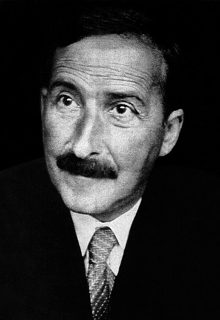
Escrito por Stefan Zweig
Stefan Zweig (1881-1942) nació en Viena en el seno de una familia de la gran burguesía judía. Con apenas veinte años comenzó a colaborar en el diario más importante de su país, publicando cuentos, artículos literarios y reportajes de viaje. Estudió en Austria, Francia y Alemania antes de establecerse en Salzburgo en 1913. La catástrofe que supuso la Primera Guerra Mundial afianzó sus convicciones pacifistas y antinacionalistas y así lo reflejó en su obra. En 1934, empujado al exilio por los nazis, emigró a Inglaterra y, en 1940, a Brasil, pasando por Nueva York. En su nuevo entorno, solo encontró una creciente soledad y la sospecha de que el terror totalitario y la sinrazón triunfarían en el mundo entero, por lo que se suicidó junto con su segunda esposa en febrero de 1942. Zweig lleva siendo un auténtico best seller desde los años treinta del siglo pasado hasta nuestros días y su obra ha sido traducida a multitud de idiomas.