







📗 Libro en inglés TYRANT BANDERAS
THE NEW YORK REVIEW OF BOOKS- 9781590174982
Sinopsis de TYRANT BANDERAS
The first great twentieth-century novel of dictatorship, and the avowed inspiration for García Márquez’s The Autumn of the Patriarch and Roa Bastos’s I, the Supreme, Tyrant Banderas is a dark and dazzling portrayal of a mythical Latin American Republic in the grip of a monster. Valle-Inclán, one of the masters of Spanish modernism, combines the splintered points of view of a cubist painting with the campy excesses of 19thcentury serial fiction to paint an astonishing picture of a ruthless tyrant facing armed revolt. It is the Day of the Dead, and revolution has broken out, creating mayhem from Baby Roach’s Cathouse to the Harris Circus to the deep jungle of Tico Maipú. The tyrant steps forth, assuring all that he is in favor of freedom of assembly and democratic opposition. Meanwhile, his secret police lock up, torture, and execute students and Indian peasants in a sinister castle by the sea where even the sharks have tired of a diet of revolutionary flesh. Then the opposition strikes back. They besiege the dictator’s citadel, hoping to bring justice to a downtrodden, starving populace.
Ficha técnica
Editorial: The New York Review of Books
ISBN: 9781590174982
Idioma: Inglés
Encuadernación: Tapa blanda
Fecha de lanzamiento: 01/08/2012
Año de edición: 2012
Plaza de edición: London
Especificaciones del producto
Escrito por Ramón María del Valle-Inclán
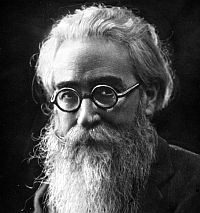
(Villanueva de Arosa, 1866 - Santiago de Compostela, 1936). Ramón del Valle-Inclán fue un novelista, poeta y autor dramático español, además de cuentista, ensayista y periodista. Inicia estudios universitarios, pero no termina la carrera de Derecho, ya que muy pronto se decanta por la literatura. Tras pasar una temporada en Madrid, marcha a México donde escribe para la prensa y, sobre todo, conoce y asimila el Modernismo. Vuelve a Madrid y se incorpora a la vida cultural y bohemia de la ciudad como promotor del Modernismo. Provocativo y extravagante, su estilo literario evolucionó desde un exuberante modernismo y un maduro expresionismo hasta sus peculiares composiciones esperpénticas. De entre su obra destacan las cuatro Sonatas (de primavera, de estío, de otoño y de invierno), que suponen la culminación del modernismo español; Águila de blasón, la primera de sus llamadas comedias bárbaras; La lámpara maravillosa, resumen de su estética y ética; La cabeza del dragón, y Luces de Bohemia.
Descubre más sobre Ramón María del Valle-Inclán Recibe novedades de Ramón María del Valle-Inclán directamente en tu email
Opiniones sobre TYRANT BANDERAS
¡Sólo por opinar entras en el sorteo mensual de tres tarjetas regalo valoradas en 20€*!