Sinopsis de WHAT I SAW: REPORTS FROM BERLIN 1920-33
In 1920, Joseph Roth, the most renowned German correspondent of his age, arrived in Berlin, the capital of the Weimar Republic. He produced a series of impressionistic and political writings that influenced an entire generation of writers, including Thomas Mann and the young Christopher Isherwood. Translated and collected here for the first time, these pieces record the violent social and political paroxysms that constantly threatened to undo the fragile democracy that was the Weimar Republic. Roth, like no other German writer of his time, ventured beyond Berlin''s official veneer to the heart of the city, chronicling the lives of its forgotten inhabitants - the war crippies, the Jewish immigrants, the criminals, the bathhouse denizens, and the nameless dead who filled the morgues - as well as the more whimsical aspects of the city - the public parks and the burgeoning entertainment industry. Warning early on of the threat posed by the Nazis, Roth evoked a landscape of moral bankruptcy and debauched beauty, creating in the process a memorable portrait of a city. Note: This synopsis may refer to a different edition of this book.
Ficha técnica
Traductor: Michael Hofmann del Aleman
Editorial: Granta Books
ISBN: 9781862076365
Idioma: Inglés
Número de páginas: 225
Tiempo de lectura:
4h 36m
Encuadernación: Tapa blanda
Fecha de lanzamiento: 04/06/2004
Año de edición: 2004
Plaza de edición: London
Especificaciones del producto
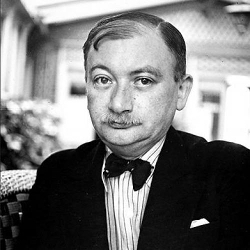
Escrito por Joseph Roth
Josep Roth (Brody, 2 de septiembre de 1894 - París, 27 de mayo de 1939) fue un novelista y periodista austríaco de origen judío. Escribió Fuga sin fin, La leyenda del santo bebedor, La cripta de los capuchinos o La rebelión. Su obra más conocida es La marcha Radetzky, que describe el ocaso del Imperio austrohúngaro. Considerado uno de los mayores escritores centroeuropeos del siglo xx, formó parte de la literatura del exilio provocado por el nazismo. Gozó de gran éxito en vida y su obra fue ampliamente reconocida también de forma póstuma.