L’escriptor italià Carlo Collodi pretén amb la història de Pinotxo ensenyar que tots els actes tenen conseqüències. De vegades, les trapelleries porten disgustos, però d’elles també s’aprèn que la vi
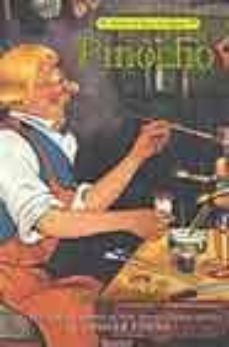
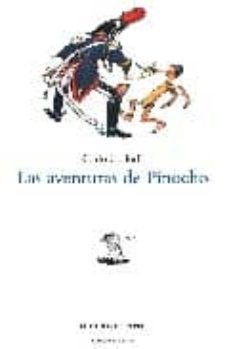
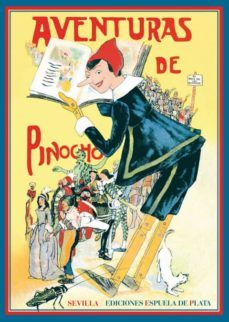
Pinocho no es un niño normal. Pinocho es un trozo de madera que ha cobrado vida. Convertido en un títere al que le crece la nariz cada vez que miente, está dispuesto a embarcarse en una aventura tras otra, en un sinfin de travesuras, que lo llevaran a traves de un mundo magico en el que conoceremos a Geppetto, su sufrido padre; a la hermosisima Hada de Cabellos Azules, presta siempre a darle una nueva oportunidad; al Grillo Parlante, su conciencia; y al Gato y a la Zorra, dos ladronzuelos dispuestos a robar a Pinocho todo lo que posee. Las aventuras de Pinocho es una de las obras mas conocidas de la literatura infantil mundial. En esta edicion especial presentamos la obra clasica con las ilustraciones de las primeras ediciones italianas, realizadas por Carlo Chiostri, que ayudaron a fijar la figura de Pinocho en el imaginario colectivo.
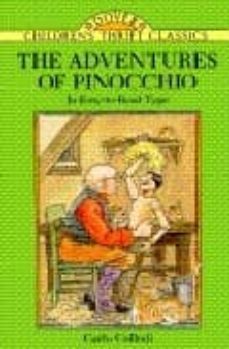
Everyone knows Pinocchio, the walking, talking wooden puppet carved from a table leg. Pinocchio, an endearing scamp, is always getting himself into trouble. But it isn't the sort of trouble most kids get into. Skiving off school, he is kidnapped by a puppeteer, robbed by a Cat and Fox, and persuaded to visit an earthly paradise where naughty children have perpetual fun - and turn into donkeys. Sold to a circus, then to a man who tries to drown him for his donkey-skin, he miraculously turns back into a puppet and goes in search of his 'father' (whom he must rescue from the belly of a giant dogfish...). Throughout these manic adventures he is haunted by the ghost of a Talking Cricket he has crushed to death for giving good advice, and watched over by his personal guardian fairy. All the while, Pinocchio dreams of becoming a real boy. Told with wit and humour, his story is also a moral fable about making the right choices, and what it is to be a loving human being. "Pinocchio" is an astonishing work of fantasy which has been toned down and sentimentalized over the years, not least by the Walt Disney film. Everyman returns to a beautifully illustrated early translation of 1916 which captures the vivid inventiveness of Collodi's original.