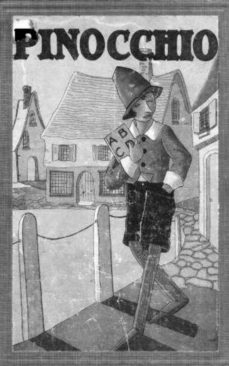
The Piece of Wood That Laughed and Cried Like a ChildMaster Cherry Gives the Wood AwayGeppetto Names His Puppet PinocchioThe Talking-Cricket Scolds PinocchioThe Flying EggPinocchios Feet Burn to CindersGeppetto Gives His Own Breakfast to PinocchioGeppetto Makes Pinocchio New FeetPinocchio Goes To See a Puppet-ShowThe Puppets Recognize Their Brother PinocchioFire-Eater Sneezes and Pardons PinocchioPinocchio Receives a Present of Five Gold PiecesThe Inn of the Red Craw-FishPinocchio Falls Among AssassinsThe Assassins Hang Pinocchio to the Big OakThe Beautiful Child Rescues the PuppetPinocchio Will Not Take His MedicinePinocchio Again Meets the Fox and the CatPinocchio Is Robbed of His MoneyPinocchio Starts Back to the Fairys HousePinocchio Acts as Watch-dogPinocchio Discovers the RobbersPinocchio Flies to the SeashorePinocchio Finds the Fairy AgainPinocchio Promises the Fairy To Be GoodThe Terrible Dog-FishPinocchio Is Arrested by the GendarmesPinocchio Escapes Being Fried Like a FishHe Returns to the Fairys HouseThe "Land of Boobies"Pinocchio Enjoys Five Months of HappinessPinocchio Turns Into a DonkeyPinocchio Is Trained for the CircusPinocchio Is Swallowed by the Dog-FishA Happy Surprise for PinocchioPinocchio at Last Ceases to Be a Puppet and Becomes a Boy
Hace mucho tiempo, un viejecito muy espabilado que se llamaba Gepetto fue a pedirle al Maestro Cereza un trozo de madera para hacerse una marioneta.De vuelta a su taller, decició que la llamaría Pino