In "Englands Antiphon," George MacDonald skillfully explores the intricacies of faith, identity, and the human experience through a series of poetic and philosophical reflections. Set against the backdrop of Victorian England, this work employs a lyrical style that blends narrative prose with rich, allegorical poetry. MacDonalds unique ability to weave together personal belief with broader themes of societal and spiritual significance allows readers to engage deeply with his examination of the struggle between earthly limitations and divine aspirations, effectively placing the text within the larger context of Victorian spiritual literature. George MacDonald (1824-1905), a Scottish author, poet, and Christian minister, profoundly influenced the realms of fantasy and literary imagination. His own journey through doubt, faith, and the challenges of the religious landscape in 19th-century Britain inspired him to articulate a vision of hope and reconciliation in his work. Raised in a devout family, MacDonalds experiences with both spiritual ecstasies and crises shaped his literary voice, embedding theological themes into his storytelling. "Englands Antiphon" is a must-read for anyone interested in the intersections of literature and spirituality. MacDonalds profound insights and magnetic prose invite readers to reflect on their journeys and consider the beauty of faith amidst adversity. This work remains a significant contribution to the literary canon, encouraging earnest exploration and contemplation.
In "Alec Forbes of Howglen," George MacDonald masterfully intertwines themes of social class, morality, and personal growth within the narrative of a young mans journey toward self-discovery. Set against the backdrop of Victorian Scotland, the novel employs rich characterizations and vivid descriptions to explore the complexities of human relationships and the tension between aspiration and the perils of ambition. MacDonalds literary style is characterized by a blend of realism and allegory, which not only presents the socio-economic challenges of the time but also invites readers to reflect on the nature of faith, love, and redemption. George MacDonald was a pioneering figure in the world of fantasy literature, influencing authors such as C.S. Lewis and J.R.R. Tolkien. His own struggles with faith, poverty, and the search for authenticity deeply informed his writing, particularly in the context of the Scottish landscape and culture. MacDonalds experiences as a pastor and a father provided him with valuable insights into the moral and spiritual dilemmas faced by individuals, which is palpably reflected in Alec Forbess conflicts. This novel is a compelling read for those interested in Victorian literature, themes of personal growth, and the ethical complexities of human life. MacDonalds nuanced exploration of character and society beckons the reader to embark on an emotional and spiritual journey, making it a timeless classic worthy of exploration.
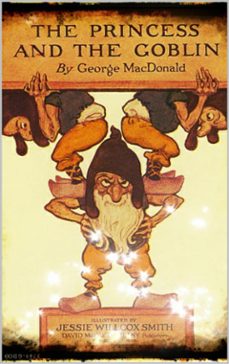
Eight-year-old Princess Irene lives a lonely life in a wild, desolate, mountainous kingdom, with only her nursemaid, Lootie, for company. She is protected from the outside world and oblivious to the existence of goblins, hideous creatures that live underground and only come out at night. One day, while out walking, Irene and Lootie get lost. As night falls, strange shadows creep out from under boulders and around corners, closing in on them. Terrified, they try to run but the goblins give chase. It is then they run into Curdie, the brave miners son who isnt afraid of the goblins and knows how to scare them away. While working late one night in the mines Curdie overhears a diabolical plan the goblins are plotting. The terrible goblin Queen plans to kidnap the princess and force her to marry her son. That way she believes humans will be forced to accept goblins as their rulers. Can they be stopped and the kingdom be saved before it is too late? Before the creation of Middle Earth or Narnia, George MacDonald was inventing wonderful kingdoms and populating them with magical creatures and enchanted beings. This is a must-read for all fantasy aficionados and fans of J.R.R Tolkien, C.S. Lewis and J.K. Rowling.
In "Malcolm," George MacDonald weaves a compelling narrative that intricately explores themes of love, redemption, and the profound impact of personal choice. Set against the backdrop of Victorian Scotland, the novel delves into the life of Malcolm, a young man of humble origins who becomes entangled in the struggles of the impoverished yet resilient Highland community. MacDonalds lyrical prose, rich with allegorical depth and vibrant imagery, reflects the Romantic ideals of his time, while also foreshadowing the moral and social consciousness that would characterize later literary movements. This novel serves not only as a captivating story but also as a reflection on the moral dilemmas faced by individuals in a rapidly changing society. George MacDonald, a pivotal figure in the development of modern fantasy literature, is known for his deep spiritual insights and pioneering works that blend fairy tale, realism, and philosophical inquiry. Growing up in a Scottish village and influenced by his own experiences of personal struggle and faith, MacDonalds creative output often mirrored his concerns with societal issues and the exploration of human character. His unique perspective fosters an empathetic portrayal of the characters in "Malcolm," allowing readers to engage with their challenges on a profoundly personal level. For readers seeking a rich exploration of human emotion and morality, "Malcolm" is a vital addition to the canon of Victorian literature. Its intricate character studies and social commentary resonate with timeless themes, making it relevant even in contemporary discussions of ethics and personal responsibility. MacDonalds ability to blend narrative storytelling with philosophical inquiry invites readers to reflect on their own choices and the larger tapestry of human experience.