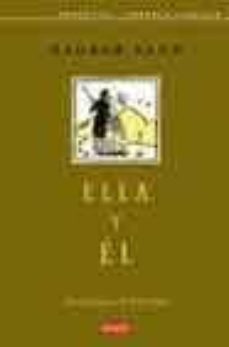
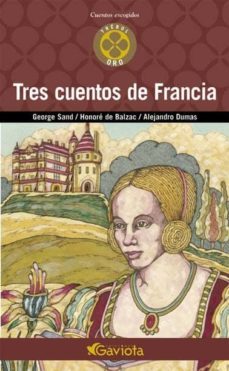
A la tardor de 1838, George Sand emprèn a París un viatge pel sud dEuropa que havia dacabar a lestiu de 1839. En tornar a la seva casa de Nohant (Berry), ha viscut dos-cents vint-i-cinc dies fora
O n l''appelait « la mare au Diable », car ses brumes, le soir, égaraient les voyageurs. Perdus à leur tour, Germain, Marie et le Petit Pierre sont forcés d''y passer la nuit. Le laboureur et la jeun
Amandine Aurore Lucile Dupin, més tard baronessa Dudevant i més coneguda pel seu pseudònim masculí George Sand (París, 1 de juliol del 1804 - 8 de juny del 1876), va ser una escriptora francesa, fide
In "George Sand: The Collected Works (The Greatest Novelists of All Time Book 11)," readers are presented with a rich tapestry of Sands literary genius, showcasing her groundbreaking narratives and her penchant for exploring themes of love, gender, and identity. Through a unique amalgamation of realism and romanticism, the collection encapsulates the social complexities of 19th-century France, revealing the struggles and triumphs of her characters against a backdrop of societal norms. Sands distinctive voice, characterized by emotional depth and intellectual rigor, invites readers to delve into her nuanced world, where personal experience intertwines with broader cultural landscapes. George Sand, born Amantine Lucile Aurore Dupin, remains a pivotal figure in literature, known for her bold defiance of gender conventions and passionate advocacy for social justice. Her upbringing, marked by a blend of aristocratic and peasant influences, significantly shaped her perspective on society and inspired her to write with both empathy and insight. Sands relationships with various artists and thinkers of her time also informed her literary pursuits, fueling her desire to challenge the status quo and articulate the inner lives of women. This collection is essential for any literary enthusiast, as it not only highlights Sands contributions to the literary canon but also invites readers to engage with the enduring themes that resonate today. It serves as a testament to her pioneering spirit and remains a vital exploration of the human condition, encouraging reflection on individual agency and societal constraints.