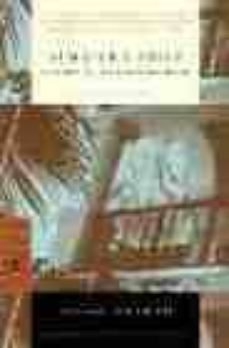
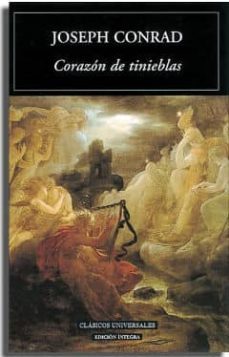
La línia d'ombra conta la història d'un jove capità de vaixell en el seu primer comandament, amb l'embarcació aturada als mars tropicals, la tripulació presa de la febre, i el rosec d'un sentiment d'incompetència culpable. La novel·la és narrada des de la perspectiva d'algú que travessa 'la línia d'ombra', que fa 'el pas -com diu el mateix Conrad- de la joventut, amb la seva despreocupació i fervor, a una etapa més conscient i dolorosa de la vida'.
This is the only novel that Conrad set in London, and it communicates a profoundly ironic view of human affairs. The story is woven around an attack on the Greenwich Observatory in 1894. Verlac, (a Russian spy who is also working for the police) is ostensibly a member of an anarchist group in Soho. His masters instruct him to discredit to anarchists in some spectacular way. The upshot of the affair is that his evil plan goes horribly wrong and the repercussions are dramatically different from those that Verloc intended.
"Habrá usted observado el subtítulo: Una confesión, que he puesto a este libro. Desde cierto punto de vista, es sólo esto, y tan esencialmente sincera como puede serlo una confesión. Tanto más sincera quiza por no ser su objeto el habitual en una revelacion personal. Mi objeto era mostrar a los demas la situacion misma a traves de mis propias emociones. No habia otra manera para mi, el mas intensamente afectado -por ser el mas consciente-, el menos"digno"quizas, de hacer justicia a todos aquellos seres, dignos para siempre de mi respeto.Tal vez no me encuentre usted demasiado presuntuoso si, al cabo de veintidos años de ser comprendido, se me ha llamado un escritor del mar, de los tropicos, un escriptor descriptivo, un escritor romantico, y tambien un realista. Pero, a decir verdad, toda mi ocupacion ha sido el valor ideal de las cosas, de los acontecimientos y de las personas. Esto, y nada mas. Los aspectos ironicos, apasionados, sentimentales, se han presentado por si solos,"mais en verite, c'est les valeurs ideales des faits et gestes humains qui se sont imposes a mon activite artistique". Sean cuales fueran las dotes de dramaturgo o de cuentista que pueda yo tener, siempre han sido instintivamente empleadas con el unico objeto de alcanzar y reproducir los valores ideales. Es esta una exposicion demasiado g...
A pessimistic novel about political power in a Latin American country, and the inhumanity and brutality that result when ideals and reality clash. NOSTROMO is considered by many to be Conrad's greatest novel. It was one he hesitated to write, he says in the introduction, "as if warned by the instinct of self-preservation from venturing on a distant and toilsome journey into a land full of intrigues and revolutions." But, he concludes, "It had to be done."
'It is a mighty force that of mere chance, absolutely irresistible yet manifesting itself often in delicate forms such for instance as the charm, true or illusory, of a human being' In Flora de Barral, the slender, dreamy, morbidly charming daughter of a parvenu financier, Conrad creates his most complex heroine and one of his most unrelenting, but not unhopeful, novels of emotional isolation. Neglected by her bankrupt father and rejected by her governess, drifting into abstraction and despair, Flora takes refuge at sea on Captain Anthony's ship, where tragedy and her transformation begin. When published in 1913, Chance was an immediate success. Arnold Bennett wrote that 'this is a discouraging book for a writer because he damn well knows he can't write as well as this while an anonymous reviewer in Punch declared that 'the whole thing is much nearer wizardry than workmanship'.