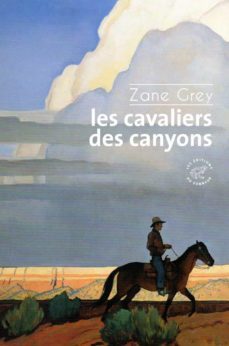
In "The Last of the Plainsmen," Zane Grey masterfully weaves together the rugged fabric of the American West with the vivid, nostalgic recollections of its vanishing frontier. This seminal work encapsulates Greys characteristic literary style, marked by rich descriptive prose and a keen sense of the awe-inspiring landscapes of the West. Set against the backdrop of the plains, the narrative unfolds through a blend of autobiography and travelogue, recounting Greys riveting encounters with cowboys, Native Americans, and the untamed wilderness. Published in 1922, this Western classic serves as both a tribute to a bygone era and a poignant commentary on the changing nature of American identity during the early 20th century. Zane Grey, an avid adventurer and passionate outdoorsman, drew upon his extensive travels and experiences to craft his stories. Born in 1872 and raised in Ohio, Grey was captivated by the tales of the frontier, which often inspired his writings. His affinity for the West, bolstered by his understanding of the struggles and triumphs of its inhabitants, allowed him to create authentic portrayals of life on the plains, where he sought to capture the essence of heroism and exploration. Ingeniously combining elements of adventure and nostalgia, "The Last of the Plainsmen" is a must-read for any lover of Western literature. Greys evocative storytelling invites readers into a vivid world teetering on the brink of obsolescence, encouraging reflection on the enduring spirit of the Plainsmen and the transformative power of nature. This exploration of a legendary era deserves a place on the bookshelf of anyone seeking to understand the cultural tapestry of America.
In "The Border Legion," Zane Grey masterfully weaves a gripping tale of rugged individualism set against the backdrop of the American West. This action-packed narrative unfolds in the untamed territory of Idaho during the early 20th century, where themes of love, lawlessness, and redemption intertwine. Greys vivid descriptions and lyrical prose convey the stark beauty of the landscape while immersing readers in the raw, often brutal realities of frontier life. The novel not only serves as a classic Western adventure but also reflects the socio-cultural tensions of its time, including the struggles between settlers and outlaws, love and betrayal, as well as the quest for identity in a rapidly changing world. Zane Grey, a key figure in the Western genre, drew upon his own experiences as a fisherman and outdoorsman to create narratives that resonate with authenticity. His fascination with the West was ignited during his early travels, culminating in a prolific writing career that produced over 90 published works. Greys deep appreciation for nature and his understanding of American folklore significantly influenced his storytelling, making him a quintessential voice in the portrayal of frontier life and adventure. For readers seeking an enthralling exploration of the American Wests complexities, "The Border Legion" is a must-read. Greys compelling characters and riveting plot will captivate not only enthusiasts of the Western genre but anyone who appreciates themes of resilience, honor, and the eternal struggle for freedom. This novel is both a thrilling escapade and a poignant reflection on the human spirit.
In Zane Greys seminal work, "The Man of the Forest," readers are transported to the rugged landscapes of the American West, where themes of survival, individualism, and the conflict between civilization and the wild are deftly interwoven. Grey employs a vivid and immersive literary style, painting rich imagery that evokes the untamed beauty of nature and the simplicity of frontier life. The narrative is anchored in the classic Western genre, a literary context that Grey helped popularize in the early 20th century, capturing the zeitgeist of a nation preoccupied with mythologizing its past and grappling with the implications of progress. Zane Grey, an author and avid outdoorsman, drew inspiration from his own experiences in vast, uncharted territories. His passion for adventure and profound understanding of the natural world are reflected in the novels protagonist, a man who embodies the rugged, free-spirited ethos of his time. Greys extensive travels and personal connection to the landscapes he depicts serve as a backdrop to his storytelling, enriching the authenticity and depth of his characters and their journeys. "The Man of the Forest" is highly recommended for readers seeking an authentic Western narrative that transcends mere adventure. Greys masterful prose not only entertains but also invites introspection on the elemental struggles between man and nature, making it a timeless classic that deserves a place on the shelf of any serious literary enthusiast.
Zane Greys "The Ohio River Trilogy" comprises three intertwined tales"Betty Zane,""The Spirit of the Border," and "The Last Trail"that encapsulate the rugged essence of early American frontier life. Each narrative reflects Greys masterful storytelling and vivid prose, emphasizing adventure, personal valor, and the stark beauty of the Ohio River landscape. With an immersive style that blends historical detail and romanticism, Grey captures the conflicts and camaraderie among the early settlers, providing readers with a narrative tapestry rich in both character and setting. The trilogy serves as both a tribute to American pioneering spirit and a critique of the tumultuous relationships between different cultural groups in a rapidly changing world. Zane Grey, born in 1872, was an iconic American author whose own experiences as an avid fisherman and outdoor enthusiast deeply informed his literary works. His fascination with the American Wests untamed wilderness, along with an understanding of its historical complexities, led him to craft stories that resonate with themes of exploration and identity. Greys contributions to American literature also include his efforts in popularizing the Western genre, making him a central figure in early 20th-century literary circles. For those seeking an engaging narrative that skillfully merges historical realism with the allure of adventure, "The Ohio River Trilogy" is essential reading. Greys eloquent prose and relatable characters will not only captivate fans of historical fiction but will also resonate with anyone drawn to the mythos of the American frontier. This collection is a profound exploration of resilience and human spirit, inviting readers to traverse both time and landscape.
In "The Last of the Plainsmen," Zane Grey presents a vivid portrayal of the American West, delving into the life of legendary mountain man and scout, Bill Tilghman. Greys prose, steeped in rich descriptive language and lyrical imagery, captures the rugged beauty and untamed spirit of the frontier, as he explores themes of survival, independence, and the inevitable encroachment of civilization. The narrative, structured as both an adventure and a historical account, reflects the zeitgeist of early 20th-century America, embodying a romanticization of the West while simultaneously acknowledging its complexities and conflicts. Zane Grey, an influential figure in American literature, was deeply inspired by his love for the outdoors and his own experiences in the West. His background as a dentist and a passionate angler contributed to his affinity for wilderness narratives, allowing him to infuse authenticity into his characterizations and settings. Greys deep-seated reverence for nature and its conquerors is apparent in this work, reflecting broader societal themes of manifest destiny and the folklore surrounding American pioneers. Recommended for both fans of Western literature and those intrigued by American history, "The Last of the Plainsmen" invites readers on a journey through the rugged landscapes of the frontier. Greys blend of historical narrative with thrilling adventure makes this a compelling read for anyone seeking to understand the spirit of the West and its enduring legacy.