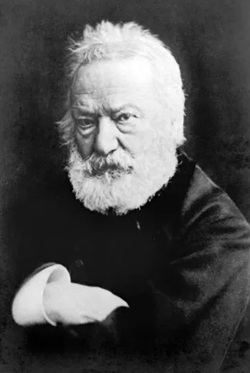
Bug-Jargal is a powerful early novel by Victor Hugo that blends romance, revolution, and tragedy into a sweeping narrative set against the turbulent backdrop of the Haitian Revolution. Written when Hugo was still a teenager, this remarkable work already reveals the dramatic intensity, moral complexity, and poetic vision that would later define one of Frances greatest literary figures.
The story unfolds in the French colony of Saint-Domingue at the end of the 18th century, a society built upon rigid racial hierarchies and brutal enslavement. Amid this volatile setting, young French officer Léopold dAuverney recounts the events that led to a violent uprising and irrevocably altered his life. At the center of the tale stands the mysterious and noble Bug-Jargal—an enslaved man of extraordinary courage, intelligence, and dignity.
Though bound by chains, Bug-Jargal possesses a commanding presence that transcends his status. Secretly in love with Marie, the fiancée of Léopold, he embodies both deep devotion and unwavering honor. When rebellion erupts and plantations burn, the fragile order of colonial society collapses into chaos. Yet even as vengeance and bloodshed sweep across the land, Bug-Jargal distinguishes himself through acts of loyalty and sacrifice that challenge the prejudices of those around him.
Hugo masterfully explores themes of freedom, justice, love, betrayal, and moral integrity. The novel confronts the horrors of slavery while also delving into the emotional entanglements that complicate human relationships in times of crisis. Through vivid descriptions and dramatic confrontations, Hugo portrays a world on the brink of transformation, where ideals clash with reality and personal loyalties are tested by revolutionary fervor.
More than a historical adventure, Bug-Jargal is a meditation on heroism and humanity. Hugo presents his central figure not merely as a victim of oppression, but as a man of profound nobility whose strength lies in his compassion and sense of honor. The novel challenges readers to reconsider notions of race, power, and civilization, offering a bold critique of colonial injustice far ahead of its time.
Filled with sweeping action, passionate emotion, and philosophical reflection, Bug-Jargal foreshadows the grandeur of Hugos later masterpieces while standing firmly on its own as a gripping and thought-provoking work. For readers who appreciate classic literature, historical drama, and stories of courage amid upheaval, this novel offers an unforgettable journey into one of historys most dramatic revolutions—and into the heart of a hero whose legacy transcends the world that sought to confine him.