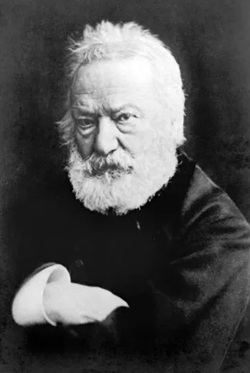


















Victor Hugos Cromwell is a monumental historical drama that marked a turning point in French literature and laid the foundation for the Romantic movement. Written in 1827, this ambitious play reimagines the life and inner turmoil of Oliver Cromwell, the controversial English leader who rose to power after the execution of King Charles I. More than a political chronicle, Cromwell is a profound exploration of ambition, conscience, destiny, and the fragile nature of authority.
Set in 17th-century England, the drama unfolds during a pivotal moment when Cromwell stands at the height of his power as Lord Protector. The crown of England is within his grasp, yet he hesitates. Around him swirl conspiracies, political intrigue, loyal supporters, hidden enemies, and royalist plots seeking to restore the monarchy. Hugo masterfully captures the tension of a nation suspended between republic and monarchy, revolution and tradition.
At its core, Cromwell is not merely about historical events but about the psychological struggle of a man torn between overwhelming ambition and haunting doubt. Hugo presents Cromwell as a complex, almost Shakespearean figure—both calculating and vulnerable, powerful yet uncertain. The play delves deep into themes of legitimacy, moral responsibility, and the corrupting influence of power. Is Cromwell a hero of liberty or a tyrant in disguise? Hugo leaves the reader to grapple with these questions.
One of the most remarkable aspects of Cromwell is its legendary preface, which became a manifesto of Romanticism. In it, Hugo rejects the rigid conventions of classical drama and champions artistic freedom, emotional depth, and the blending of the sublime with the grotesque. This bold declaration forever changed the course of French literature, making Cromwell significant not only as a dramatic work but also as a cultural milestone.
Rich in vivid characters, political tension, and philosophical reflection, Cromwell showcases Hugos early genius and his ability to weave history with poetic grandeur. Though rarely performed in full due to its epic length, the play remains a powerful literary achievement—an exploration of leadership, revolution, and the human condition that continues to resonate with readers today.
For lovers of historical drama, political intrigue, and classic literature, Cromwell stands as a towering testament to Victor Hugos visionary talent and enduring influence.