














📱 eBook en inglés MENO
9791221355239
Sinopsis de MENO
In order to determine whether virtue is teachable or not, Socrates tells Meno that they first need to determine what virtue is. When the characters speak of virtue, or rather arete, they refer to virtue in general, rather than particular virtues, such as justice or temperance. The first part of the work showcases Socratic dialectical style; Meno, unable to adequately define virtue, is reduced to confusion or aporia.
Socrates suggests that they seek an adequate definition for virtue together. In response, Meno suggests that it is impossible to seek what one does not know, because one will be unable to determine whether one has found it.
Socrates challenges Menos argument, often called "Menos Paradox" or the "Learners Paradox," by introducing the theory of knowledge as recollection (anamnesis). As presented in the dialogue, the theory proposes that souls are immortal and know all things in a disembodied state; learning in the embodied is actually a process of recollecting that which the soul knew before it came into a body.
Socrates demonstrates recollection in action by posing a mathematical puzzle to one of Menos slaves.Subsequently, Socrates and Meno return to the question of whether virtue is teachable, employing the method of hypothesis.
Near the end of the dialogue, Meno poses another famous puzzle, called "The Meno Problem" or "The Value Problem for Knowledge," which questions why knowledge is valued more highly than true belief. In response, Socrates provides a famous and somewhat enigmatic distinction between knowledge and true belief.
App gratuita de lectura Vivlio Casa del Libro
Ahora tu lectura es multidispositivo, con la App Vivlio Casa del Libro, puedes tener todos tus libros en tu tablet y smartphone. Aprovecha cualquier momento para seguir disfrutando de las lecturas que más te gustan.

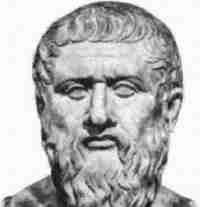
Escrito por Platón
Ficha técnica
ISBN: 9791221355239
Idioma: Inglés
Especificaciones del producto
Opiniones sobre MENO (EBOOK)
¡Sólo por opinar entras en el sorteo mensual de tres tarjetas regalo valoradas en 20€*!
Léelo en cualquier dispositivo

iPhone y iPad
Descarga la App de lectura Vivlio Casa del Libro para iOS. Es gratuita y está disponible tanto para iPhone como para iPad.

Android
Descarga la App de lectura Vivlio Casa del Libro para Android. Es gratuita y está disponible tanto para móvil como para tablet.

Tu navegador
Puedes leer los eBooks directamente con nuestro visor online, accediendo a nuestra web desde tu móvil o tu ordenador, sin necesidad de descargar nada. Accede a tu área de usuario y empieza a leer.

eReaders*
Puedes conectar tu eReader a tu ordenador y enviar el libro al dispositivo utilizando Adobe Digital Editions.
* Los eReaders de Amazon (Kindle) solo permiten libros de su propia tienda, por lo que no son compatibles.