INGLÉS EPUB sin DRM eBook
The Secret of the Totem | eBook
Por Andrew Lang
Léelo en cualquier dispositivo Descárgalo y empieza a leer ya
La compra de eBooks para España debe realizarse desde: vivlio.casadellibro.com

App gratuita de lectura Vivlio Casa del Libro
Ahora tu lectura es multidispositivo, con la App Vivlio Casa del Libro, puedes tener todos tus libros en tu tablet y smartphone. Aprovecha cualquier momento para seguir disfrutando de las lecturas que más te gustan.
Sinopsis
This book is the natural sequel of Social Origins and Primal Law, published three years ago. In Primal Law, Mr. J. J. Atkinson sought for the origin of marriage prohibitions in the social conditions of early man, as conceived of by Mr. Darwin. Man, in the opinion of the great naturalist, was a jealous animal; the sire, in each group, kept all his female mates to himself, expelling his adolescent male offspring. From this earliest and very drastic restriction, Mr. Atkinson, using the evidence of "avoidances" between kinsfolk in savage society, deduced the various prohibitions on sexual unions. His ingenious theory has been received with some favour, where it has been understood.
Mr. Atkinson said little about totemism, and, in Social Origins, I offered a theory of the Origin of Totemism; an elaboration of the oldest of all scientific theories, that of Garcilasso de la Vega, an Inca on the maternal side, the author of the History of the Incas. Totems, he conceived, arose in the early efforts of human groups to differentiate each from the others. Mr. Max Müller and Dr. Pikler set forth the same notion, independently. The "clans," or, as I say, "groups," needed differentiation by names, such as are still used as personal names by savages, and by names easily expressed in pictographs, and easily signalled in gesture language. The origin of the group names, or sobriquets, once forgotten, the names, as usual, suggested a relation between the various name-giving objects and the groups which bore them. That relation was explained by the various myths which make the name-giving animals, plants, and other objects, mystic kinsmen, patrons, or ancestors of the groups named after them. From reflection on this mystic rapport between the objects and the human groups of the same names, arose the various superstitions and tabus, including that which prohibits unions between men and women of the same animal group-name, whether by locality or maternal descent.
Mr. Atkinson said little about totemism, and, in Social Origins, I offered a theory of the Origin of Totemism; an elaboration of the oldest of all scientific theories, that of Garcilasso de la Vega, an Inca on the maternal side, the author of the History of the Incas. Totems, he conceived, arose in the early efforts of human groups to differentiate each from the others. Mr. Max Müller and Dr. Pikler set forth the same notion, independently. The "clans," or, as I say, "groups," needed differentiation by names, such as are still used as personal names by savages, and by names easily expressed in pictographs, and easily signalled in gesture language. The origin of the group names, or sobriquets, once forgotten, the names, as usual, suggested a relation between the various name-giving objects and the groups which bore them. That relation was explained by the various myths which make the name-giving animals, plants, and other objects, mystic kinsmen, patrons, or ancestors of the groups named after them. From reflection on this mystic rapport between the objects and the human groups of the same names, arose the various superstitions and tabus, including that which prohibits unions between men and women of the same animal group-name, whether by locality or maternal descent.
Léelo en cualquier dispositivo


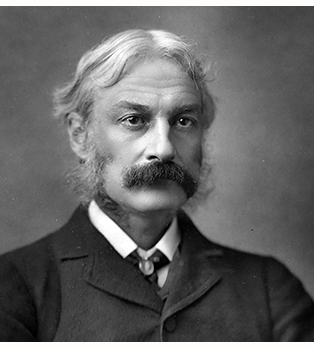
Recibe novedades de Andrew Lang directamente en tu email
Ficha Técnica
Editorial: Simone Vannini
ISBN: 9786050400564
Idioma: Inglés
Fecha de lanzamiento: 23/07/2015
Especificaciones del producto
Reseñas sobre The Secret of the Totem
Comparte tu experiencia con la comunidad lectora.
0 Reseñas
5 0
4 0
3 0
2 0
1 0
Sólo por opinar entras en el sorteo mensual de tres tarjetas regalo valoradas en
20€
Publicar una opinión supone haber leído y aceptado las
bases del sorteo
"Tu opinión tiene premio".