
Imprescindibles



Ficción


No Ficción
Ciencias y tecnología Biología Ciencias Ciencias naturales Divulgación científica Informática Ingeniería Matemáticas Medicina Salud y dietas Filología Biblioteconomía Estudios filológicos Estudios lingüísticos Estudios literarios Historia y crítica de la Literatura
Humanidades Autoayuda y espiritualidad Ciencias humanas Derecho Economía y Empresa Psicología y Pedagogía Filosofía Sociología Historia Arqueología Biografías Historia de España Historia Universal Historia por países



Infantil




Juvenil
#Jóvenes lectores Narrativa juvenil Clásicos adaptados Libros Wattpad Libros Booktok Libros de influencers Libros de Youtubers Libros Spicy Juveniles Libros LGTBIQ+ Temas sociales Libros ciencia ficción Libros de acción y aventura Cómic y manga juvenil Cómic juvenil Manga Shonen Manga Shojo Autores destacados Jennifer L. Armentrout Eloy Moreno Nerea Llanes Hannah Nicole Maehrer
Libros de fantasía Cozy Fantasy Dark academia Hadas y Fae Romantasy Royal Fantasy Urban Fantasy Vampiros y hombres lobo Otros Misterio y terror Cozy mistery Policiaca Spooky Terror Thriller y suspense Otros
Libros románticos y de amor Dark Romance Clean Romance Cowboy Romance Mafia y amor Romance dramatico Romcom libros Sport Romance Otros Clichés Enemies to Lovers Friends to Lovers Hermanastros Slow Burn Fake Dating Triángulo amoroso

Cómic y manga
Novela gráfica Novela gráfica americana Novela gráfica europea Novela gráfica de otros países Personajes, series y sagas Series y sagas Star Wars Superhéroes Cómics DC Cómics Marvel Cómics otros superhéroes Cómics Valiant




Books in English 
The Secrets Of Secrets
A thrilling and long-awaited new novel from Dan Brown



eBooks
Literatura Contemporánea Narrativa fantástica Novela de ciencia ficción Novela de terror Novela histórica Novela negra Novela romántica y erótica Juvenil Más de 13 años Más de 15 años Infantil eBooks infantiles
Humanidades Autoayuda y espiritualidad Ciencias humanas Economía y Empresa Psicología y Pedagogía Filosofía Historia Historia de España Historia Universal Arte Cine Música Historia del arte
Ciencia y tecnología Ciencias naturales Divulgación científica Medicina Salud y dietas Filología Estudios lingüísticos Estudios literarios Historia y crítica de la Literatura Estilo de vida Cocina Guías de viaje Ocio y deportes



Preventa de eBooks de Evolucionismo
Categorias
Filtros
Del 1 al 2 de 2
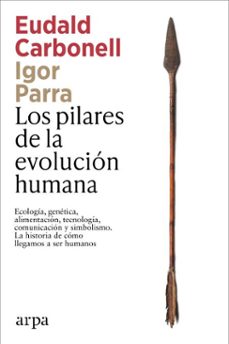
Arpa 9791387833664
Hace millones de años, en un paisaje africano sometido a profundas transformaciones climáticas, algunos primates comenzaron a cambiar su relación con el entorno. No solo se adaptaron, empezaron a transformarlo. Desde entonces, la historia de nuestra especie ha sido la de una construccion progresiva en la que genetica, alimentacion, tecnologia, comunicacion y simbolismo se entrelazan para dar forma a lo que somos hoy.Eudald Carbonell e Igor Parra, junto a un equipo de especialistas en genomica, paleoantropologia y arqueologia, proponen en este libro una nueva y ambiciosa interpretacion de la evolucion humana articulada en seis grandes pilares. A traves de ellos reconstruyen el proceso de hominizacion y humanizacion como un fenomeno biologico y, al mismo tiempo, tecnico y social.Desde las primeras herramientas de piedra hasta la revolucion tecnologica contemporanea, este ensayo invita a comprender nuestra trayectoria como especie y a reflexionar sobre el papel que desempeñamos en el futuro del planeta. Una mirada rigurosa y accesible para entender el pasado y asumir, con conciencia, el desafio de lo que esta por venir.
Ver más
eBook
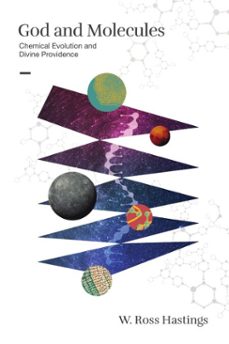
HASTINGS, ROSS
IVP Academic 9781514000137
Gods Providential Work in Creation Before Life Began God has been present and active in creation from the moment he created it ex nihilo. Few Christians would question this claim, but its implications for ongoing theology and science dialogues have not been fully explored.In this pathbreaking and field-advancing work, Ross Hastings brings his expertise in both scientific and theological disciplines to bear on the topic of divine providence in chemical evolution. Based on the latest research in the developing field of chemical evolution and the work of theological giants such as Karl Barth, Hastings shows how God may have been providentially and non-competitively at work in the process by which simple prebiotic molecules gave rise to the complex molecules in the first living organisms.In God and Molecules, Hastings provides cutting-edge theological engagement with the developing scientific field of chemical evolution, advances the discussion in theology and science with this new integrative work, and offers a holistic alternative for thinking about chemical evolution that overcomes the binary of theology versus science. God and Molecules pushes toward new frontiers in theology and science and casts a compelling, integrative, and ultimately healing vision for how God has been lovingly involved in the developmental process of the earliest life on earth.
Ver más
eBook
Del 1 al 2 de 2