



















📗 Libro en inglés DR. JEKILL AND MR. HYDE (BANTAM CLASSIC)
BANTAM BOOKS- 9780553212778
Sinopsis de DR. JEKILL AND MR. HYDE (BANTAM CLASSIC)
In Robert Louis Stevenson's nightmarish, suspenseful, and deeply disturbing novel, Dr. Jekyll experiments with a drug that splits his personality into good and evil elements. Gradually, he loses control of the process and finds himself slipping more and more frequently into the guise of the evil and depraved Hyde. Finally, Hyde is accused of murder, and the good doctor, tormented by the struggle between good and evil that he embodies, is forced into an act of violence by his tortured conscience. Narrated by several onlookers, as well as by Jekyll himself, DR. JEKYLL AND MR. HYDE, one of the earliest "horror" tales (1886), is arguably the most famous horror story ever written; the concept of "Dr. Jekyll and Mr. Hyde" to signify a split personality has become deeply embedded in the public consciousness, even for those who have never read the book. It has, of course, been dramatized numerous times in numerous ways; it has prompted many interpretations since its publication in 1886, including the view that it was a precursor of Freud's work on the ego and the libido. Stevenson wrote the novel in a fever, finishing it in less than three days while he was deathly ill with tuberculosis. He lived, however, eight more years, dying in Samoa at the age of 44.
Ficha técnica
Editorial: Bantam Books
ISBN: 9780553212778
Idioma: Inglés
Número de páginas: 98
Tiempo de lectura:
1h 56m
Encuadernación: Tapa blanda
Fecha de lanzamiento: 01/07/1985
Año de edición: 2006
Plaza de edición: London
Especificaciones del producto
Escrito por Robert Louis Stevenson
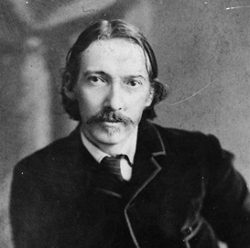
(Edimburgo, 1850 – Vailima Upolu, Samoa Occidental, 1894). En la tumba de este escritor escocés, en una lejana isla de los mares del Sur a la que fue por motivos de salud, figura grabado el apodo que le dieron los samoanos: Tusitala, «el contador de historias».
Se dio a conocer como novelista con La isla del tesoro (1883) y su popularidad como escritor se basó fundamentalmente en los emocionantes argumentos de sus novelas fantásticas y de aventuras, en las que siempre aparecen contrapuestos el bien y el mal, a modo de alegoría moral que se sirve del misterio y la aventura.
Fue muy reconocido en vida y su escritura ha sido de gran influencia para importantes autores posteriores.
Descubre más sobre Robert Louis Stevenson Se dio a conocer como novelista con La isla del tesoro (1883) y su popularidad como escritor se basó fundamentalmente en los emocionantes argumentos de sus novelas fantásticas y de aventuras, en las que siempre aparecen contrapuestos el bien y el mal, a modo de alegoría moral que se sirve del misterio y la aventura.
Fue muy reconocido en vida y su escritura ha sido de gran influencia para importantes autores posteriores.
Recibe novedades de Robert Louis Stevenson directamente en tu email
Opiniones sobre DR. JEKILL AND MR. HYDE (BANTAM CLASSIC)
¡Sólo por opinar entras en el sorteo mensual de tres tarjetas regalo valoradas en 20€*!