Andy Beckett nació en 1969 y reside habitualmente en Londres. Estudió Historia Moderna en la Universidad de Oxford y Periodismo en la Universidad de California en Berkeley. Después de trabajar en la edición dominical del diario The Independent, en la actualidad es un prestigioso reportero de The Guardian. Colabora también con el London Review of Books y con la revista del New York Times. Mientras cubría el arresto del general Pinochet, fue descubriendo la historia secreta de Chile y el Reino Unido, lo que acabó por convertirse en el material de Pinochet en Piccadilly, su primer libro.
Recibe novedades de Andy Beckett directamente en tu email

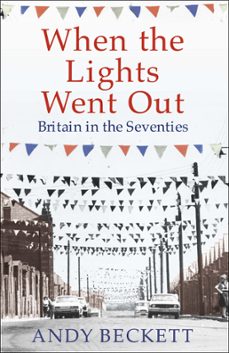
The seventies are probably the most important and fascinating period in modern British political history. They encompass strikes that brought down governments, shock general election results, the rise of Margaret Thatcher and the fall of Edward Heath, the IMF crisis, the Winter of Discontent and the three-day week.But the seventies have also been frequently misunderstood, oversimplified and misrepresented. When the Lights Went Out goes in search of what really happened, what it felt like at the time, and where it was all leading. It includes vivid interviews with many of the leading participants, many of them now dead, from Heath to Jack Jones to Arthur Scargill, and it travels from the once-famous factories where the great industrial confrontations took place to the suburbs where Thatcherism was created and to remote North Sea oil rigs.The book also unearths the stories of the forgotten political actors away from Westminster who gave the decade so much of its volatility and excitement, from the Gay Liberation Front to the hippie anarchists of the free festival movement. Over five years in the making, this book is not an academic history but something for the general reader, written with the vividness of a novel or the best works of American New Journalism, bringing the decade back to life in all its drama and complexity.
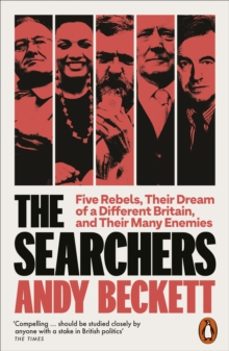
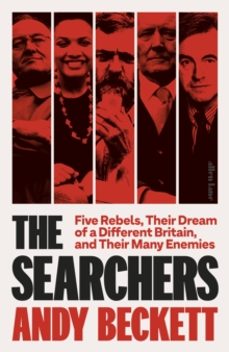
From the acclaimed author of Promised You a Miracle and When the Lights Went Out the untold story of British politics in modern times through the triumphs and disasters of its five most radical figures A breath of fresh air a vivid eye for detail meets narrative pacing that seems effortless Morgan Jones LabourList An absorbing history of Labour s radical left Jason Cowley Observer The Searchers should be studied closely by anyone with a stake in British politics Patrick Maguire The TimesIn the great revolutionary year of 1968 Tony Benn was a respectable Labour minister in his forties and he was restless While new social movements were shaking up Britain and much of the world Westminster politics seemed stuck It was time he decided for a different approach Over the next half century the radicalized Benn helped forge a new left in Britain He was joined by four other politicians who would become comrades collaborators and rivals Ken Livingstone John McDonnell Diane Abbott and Jeremy Corbyn For Andy Beckett the story of these admired and loathed political explorers both their sudden breakthroughs and long stretches in the wilderness is the untold story of British politics in modern times As he reveals their project to create a radically
In the great revolutionary year of 1968 Tony Benn was a respectable Labour minister in his forties and he was restless While new social movements were shaking up Britain and much of the world Westminster politics seemed stuck It was time he decided for a different approach Over the next half century the radicalized Benn helped forge a new left in Britain He was joined by four other politicians who would become comrades collaborators and rivals Ken Livingstone John McDonnell Diane Abbott and Jeremy Corbyn For Andy Beckett the story of these admired and loathed political explorers both their sudden breakthroughs and long stretches in the wilderness is the untold story of British politics in modern times As he reveals their project to create a radically more equal liberal and democratic Britain has been much more influential than electoral history might suggest and can be seen from the shape of our city life to the causes of our culture wars For their many detractors this influence was and remains dangerous a form of extremism that must be stamped out But as these five searchers believed in politics there is no total victory nor total defeat
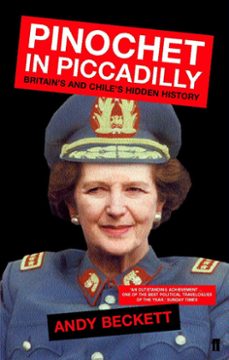
In October 1998, the erstwhile Chilean dictator General Augusto Pinochet was arrested in London, charged with crimes against humanity by a Spanish magistrate. But over the 16 months that Pinochet was detained, intriguing questions went unanswered about his close ties with Britain. Why was Lady Thatcher so keen to defend the General? And why was Tony Blairs usually cautious government prepared to have him arrested? As Andy Beckett uncovers, the answers reside deep within the long and shadowy history of relations between Britain and Chile.An outstanding achievement, and mesmerically readable . . . Beckett has surely written one of the best political travelogues of the year.Sunday TimesI am stirred and astonished at [Andy Becketts] brilliance, and by the imaginative sympathy with which he rekindles the arguments and emotions of a period he never knew. Christopher Hitchens, London Review of Books
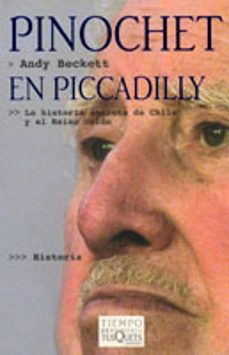
El 16 de octubre de 1998, el generalAugusto Pinochet fue detenido en Londres, acusado de crímenes contra la humanidad por el juez español Baltasar Garzón. Durante los dieciséis meses que duró su arresto, el caso se convirtio en lacause celebremas importante de finales del siglo XX, conocia mil peripecias judiciales y provocaba encendidos debates en España, Chile, el Reino Unido y el resto del mundo. Sin embargo, un detalle llenaba de extrañeza tanto a partidarios como a detractores del ex dictador chileno: con el prestigioso sistema medico del ejercito chileno a su entera disposicion,¿por que viajo hasta una clinica de Londres para una operacion menor?Esa misma pregunta se planteo el periodista britanicoAndy Becketty, al buscar la respuesta, descubrio la fascinante historia que une a Chile y al Reino Unido desde comienzos del siglo XIX, epoca en que uno de los heroes de la liberacion de Chile fue, precisamente, un capitan escoces llamadoThomasCochrane. Con el comienza una extraordinaria galeria de personajes: excentricos magnates victorianos, izquierdistas britanicos fascinados por Allende, conservadores delestablishment que vieron enPinochet un modelo, asesores compartidos porMargaret Thatcher y por el dictador, huelguistas escoceses solidarios con Chile, o refugiados chilenos viviendo la dura realidad del exilio. Todos ellos, presa de encontrados sentimientos de atraccion y repulsa, de envidia y admiracion, explican a la perfeccion las relaciones entre Chile y el Reino Unido, entre Europa e Hispanoamerica, y representan la unica respuesta a la pregunta: ¿que hacia, una lluviosa tarde de 1998,Pinochet en Piccadilly?