
Imprescindibles



Ficción
No Ficción
Ciencias y tecnología Biología Ciencias Ciencias naturales Divulgación científica Informática Ingeniería Matemáticas Medicina Salud y dietas Filología Biblioteconomía Estudios filológicos Estudios lingüísticos Estudios literarios Historia y crítica de la Literatura
Humanidades Autoayuda y espiritualidad Ciencias humanas Derecho Economía y Empresa Psicología y Pedagogía Filosofía Sociología Historia Arqueología Biografías Historia de España Historia Universal Historia por países

Infantil




Juvenil
#Jóvenes lectores Narrativa juvenil Clásicos adaptados Libros Wattpad Libros Booktok Libros de influencers Libros de Youtubers Libros Spicy Juveniles Libros LGTBIQ+ Temas sociales Libros ciencia ficción Libros de acción y aventura Cómic y manga juvenil Cómic juvenil Manga Shonen Manga Shojo Autores destacados Jennifer L. Armentrout Eloy Moreno Nerea Llanes Hannah Nicole Maehrer
Libros de fantasía Cozy Fantasy Dark academia Hadas y Fae Romantasy Royal Fantasy Urban Fantasy Vampiros y hombres lobo Otros Misterio y terror Cozy mistery Policiaca Spooky Terror Thriller y suspense Otros
Libros románticos y de amor Dark Romance Clean Romance Cowboy Romance Mafia y amor Romance dramatico Romcom libros Sport Romance Otros Clichés Enemies to Lovers Friends to Lovers Hermanastros Slow Burn Fake Dating Triángulo amoroso

Cómic y manga
Novela gráfica Novela gráfica americana Novela gráfica europea Novela gráfica de otros países Personajes, series y sagas Series y sagas Star Wars Superhéroes Cómics DC Cómics Marvel Cómics otros superhéroes Cómics Valiant




Books in English 
The Secrets Of Secrets
A thrilling and long-awaited new novel from Dan Brown



eBooks
Literatura Contemporánea Narrativa fantástica Novela de ciencia ficción Novela de terror Novela histórica Novela negra Novela romántica y erótica Juvenil Más de 13 años Más de 15 años Infantil eBooks infantiles
Humanidades Autoayuda y espiritualidad Ciencias humanas Economía y Empresa Psicología y Pedagogía Filosofía Historia Historia de España Historia Universal Arte Cine Música Historia del arte
Ciencia y tecnología Ciencias naturales Divulgación científica Medicina Salud y dietas Filología Estudios lingüísticos Estudios literarios Historia y crítica de la Literatura Estilo de vida Cocina Guías de viaje Ocio y deportes



Oscar Guardiola-Rivera
Óscar Guardiola-Rivera (Bogotá) es filósofo y profesor de Derecho en el Birbeck College de la Universidad de Londres. Formó parte del movimiento colombiano «Séptima papeleta» que proponía una reforma constitucional y dio origen a la Constitución colombiana de 1991. Además de su actividad docente y de sus publicaciones académicas, es autor de: El fin del capitalismo (2009), Being Against the World: rebellion and Constitution (2008) o La otra guerra (junto con D. López-Medina, 1999).
Recibe novedades de Oscar Guardiola-Rivera directamente en tu email
Filtros
Del 1 al 4 de 4
BLOOMSBURY PUBLISHING LTD. 9781408809778
Tapa blanda

Universidad Jorge Tadeo Lozano 9789587252583
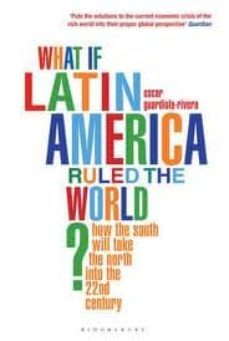
Such obsessive antinomian attitude and constraint, which I have provocatively termed armed struggle in the way to (rather than as the opposite of) peace, present as spirit, collective effervescence, combat, or phantasm in institutionalizing or constitutive rituals (exemplified by the oath by sceptre episode in classical literature, and often imagined as an original contract authorized by a generic will that legitimates law in modern literature), is represented under the political economy of the industrial-colonial regime in a state of suspension or emergency. In this respect, as suggested above, the state of emergency that according to Benjamin has become the rule isnt the consequence of violence. On the contrary, its the attempt to suspend combat, to externally impose upon peoples a fictive unity (the unity of their needs) and to extract from peoples their ability to use force as well as do battle against the sovereign.
Ver más
eBook
BLOOMSBURY PUBLISHING LTD. 9781408854761
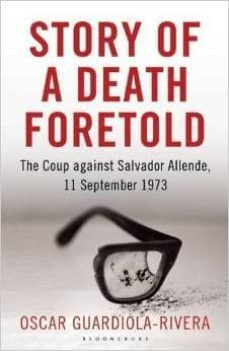
On 11 September 1973, President Salvador Allende of Chile, Latin America''s first democratically elected Marxist president, was deposed in a violent coup d''état. Early that morning the phone lines to Allende''s office were cut, army officers loyal to the republic were arrested and shortly afterwards bombs from four British-made Hawker Hunter jets began slamming into the presidential palace. Allende refused to leave his post, making broadcasts to encourage the Chilean people until the last pro-government radio station was silenced. Later that morning he was found dead, with an AK-47 that had been a gift from Fidel Castro by his side.The coup had been planned for months, even years before it actually happened. In fact, from the moment Allende''s electoral victory in 1970 became a possibility, business leaders in Chile, extreme right-wing groups, high-ranking officers in the Chilean military and the US administration and the CIA worked together to secure a prompt and dramatic end to his progressive social programme.Why Allende seemed such a threat in the political and economic context of the time and how the coup was engineered is the story Oscar Guardiola-Rivera tells, drawing on a wide range of sources, including phone transcripts and documents released as recently as 2008. It is a radical retelling of a moment in history that even at the height of Cold War paranoia - a time when Henry Kissinger described Chile as ''a dagger pointed at the heart of Antarctica'' -shocked the world and which continues to resonate today. As the uprisings of the Arab Spring and the global protests at austerity measures introduced since the crash of 2008 show, the world is struggling to deal with the economic and political dilemmas Allende faced at the time.
Ver más
Tapa blanda
RBA Libros 9788490062814
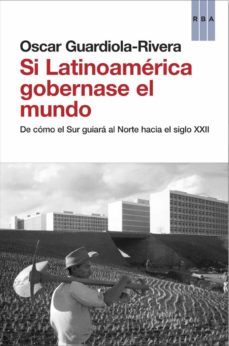
Actualmente, existe una forma de globalización que parece querer demoler todo el planeta. A ella se enfrentan las comunidades originarias de America, los jóvenes de Chile y Colombia, y los gobiernos rebeldes o progresistas que han tomado el poder en Latinoamerica. Y son ellos los que alientan a preguntarse: ¿y si Latinoamerica gobernase el mundo? Para dar respuesta a esta pregunta el autor nos relata la historia de la globalizacion en tres episodios. Mientras nos embarcamos en el viaje que nos llevara al tercer episodio de la historia de la globalizacion y al proximo siglo, Latinoamerica esta haciendo historia universal y parece lista para guiar al mundo hacia el siglo XXII.
Ver más
Tapa blanda
Del 1 al 4 de 4