
























leer_primeras_paginas Leer primeras páginas

📱 eBook en inglés THE SEVENTH LETTER

Phoemixx Classics Ebooks- 9783986474782

Filosofía Historia de la filosofía

Sinopsis de THE SEVENTH LETTER

The Seventh Letter Plato - The Seventh Letter of Plato is an epistle that tradition has ascribed to Plato. It is by far the longest of the epistles of Plato and gives an autobiographical account of his activities in Sicily as part of the intrigues between Dion and Dionysius of Syracuse for the tyranny of Syracuse. It also contains an extended philosophical interlude concerning the possibility of writing true philosophical works and the theory of forms. Assuming that the letter is authentic, it was written after Dion was assassinated by Calippus in 353 BC and before the latter was in turn overthrown a year later.Of all the letters attributed to Plato, the Seventh Letter is widely considered the only one that might be authentic. R. Ledger defends its authenticity on the basis of computer analysis. Anthony Kenny is likewise inclined to accept it as genuine. The main objections to its authenticity involve its statement that there are forms or ideas of artificial things, whereas Aristotle attributes to Plato the idea that there are forms or ideas only of natural things, as well as the fact that the letters purported historical setting seems unlikely: the letter implies that Dions followers wrote to Plato asking him for practical political advice while at the same time insinuating that he had not been loyal to Dion, that Calippus permitted the letter to get to Plato, and that Plato replied by recounting in detail recent history to people who were immediately involved in those events and included in his advice a long digression on the theory of forms. These problems lead R. G. Bury to conclude that the letter was an open letter intended to defend Plato in the eyes of his fellow Athenians rather than to be sent to Dions followers in Sicily; there probably never was any letter from them to Plato, he says.Nevertheless, the Seventh Letter has recently been argued to be spurious by prominent scholars such as Malcolm Schofield, Myles Burnyeat, George Boas, Terence Irwin, and Julia Annas. According to Annas, the Seventh Letter is "such an unconvincing production that its acceptance by many scholars is best seen as indicating the strength of their desire to find, behind the detachment of the dialogues, something, no matter what, to which Plato is straightforwardly committed."

App gratuita de lectura Vivlio Casa del Libro

Ahora tu lectura es multidispositivo, con la App Vivlio Casa del Libro, puedes tener todos tus libros en tu tablet y smartphone. Aprovecha cualquier momento para seguir disfrutando de las lecturas que más te gustan.
Ver más

Escrito por Platón


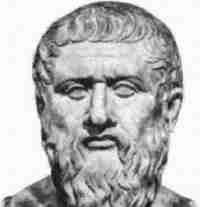
Platón

Platón (Atenas, 427 - 347 a. C.) fue un filósofo griego que, junto a su maestro Sócrates y su discípulo Aristóteles, es considerado uno de los grandes pensadores de la tradición filosófica europea. La obra de Platón, radicalmente novedosa en su elaboración lógica y literaria, estableció una serie de constantes y problemas que marcaron el pensamiento occidental más allá de su influencia inmediata, que se dejaría sentir tanto entre los paganos (el neoplatonismo de Plotino) como en la teología cristiana, fundamentada en gran medida por San Agustín. Nacido en el seno de una familia aristocrática, Platón abandonó su inicial vocación política y sus aficiones literarias por la filosofía, atraído por Sócrates. Fue su discípulo durante veinte años y se enfrentó abiertamente a los sofistas (Protágoras, Gorgias). Tras la condena a muerte de Sócrates (399 a. C.), huyó de Atenas y se apartó completamente de la vida pública; no obstante, los temas políticos ocuparon siempre un lugar central en su pensamiento, y llegó a concebir un modelo ideal de Estado. En el año 387 fundó una escuela de filosofía, situada en las afueras de Atenas, junto al jardín dedicado al héroe Academo, de donde procede el nombre de "Academia". En ella se estudiaba y se investigaba sobre todo tipo de asuntos, dado que la filosofía englobaba la totalidad del saber, hasta que paulatinamente fueron apareciendo (en la propia Academia) las disciplinas especializadas que darían lugar a ramas diferenciadas del saber, como la lógica, la ética o la física. Pervivió más de novecientos años y en ella se educaron personajes de importancia tan fundamental como Aristóteles.

Descubre más sobre Platón
Recibe novedades de Platón directamente en tu email

Ficha técnica


Editorial: Phoemixx Classics Ebooks

ISBN: 9783986474782

Idioma: Inglés

Fecha de lanzamiento: 20/10/2021


Especificaciones del producto


Opiniones sobre THE SEVENTH LETTER (EBOOK)


¡Sólo por opinar entras en el sorteo mensual de tres tarjetas regalo valoradas en 20€*!

Léelo en cualquier dispositivo


Los eBooks más vendidos de la semana