INGLÉS
THE LONG TRAIL: SELECTED POEMS
Por Rudyard Kipling
Descatalogado por distribuidor
Actualmente el distribuidor ha dejado de editar este producto pero podemos avisarte por correo electrónico si vuelve a estar disponible. Para esto, introduce tu email y pulsa sobre el botón “Avísame”.
¿Quieres que te avisemos si lo volvemos a recibir?
Ficha Técnica
Editorial: Carcanet Press
ISBN: 9781857547399
Idioma: Inglés
Número de páginas: 154
Tiempo de lectura: 3h 7m
Encuadernación: Tapa blanda
Fecha de lanzamiento: 07/04/2004
Año de edición: 2004
Plaza de edición: Manchester
Especificaciones del producto
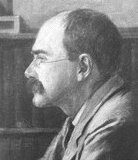
Recibe novedades de Rudyard Kipling directamente en tu email
Reseñas sobre THE LONG TRAIL: SELECTED POEMS
Comparte tu experiencia con la comunidad lectora.
0 Reseñas
5 0
4 0
3 0
2 0
1 0
Sólo por opinar entras en el sorteo mensual de tres tarjetas regalo valoradas en
20€
Publicar una opinión supone haber leído y aceptado las
bases del sorteo
"Tu opinión tiene premio".