These days it is almost impossible to get away from discussions of whether the book will survive the digital revolution. Blogs, tweets and newspaper articles appear daily on the subject, many of them repetitive, most of them admitting they dont know what will happen. Amidst the twittering, the thoughts of Jean-Claude Carrière and Umberto Eco come as a breath of fresh air. There are few people better placed to discuss the past, present and future of the book. Both of them avid book collectors with a deep understanding of history, they have explored through their work, both written and visual, the many and varied ways in which ideas have been represented through the ages. This beautifully produced book, an object of desire in itself, is the transcription of a long conversation between the two men in which they discuss a vast range of subjects, from what can be defined as the first book, to the idea of the library, the burning of books both accidental and deliberate, and what will happen to knowledge and memory when infinite amounts of information are available at the click of a mouse. En route there are delightful digressions into personal anecdote about everything from Ecos first computer to the book Carrière is most sad to have sold. Readers will close this book feeling that they have had the privilege of eavesdropping on an intimate discussion between two great minds. And while, as Carrière says, the one certain thing about the future is that it is unpredictable, it is clear from this conversation that, in some form or other, the book will survive. After all, as Eco says: like the spoon, once invented, it cannot be bettered.
Ficha técnica
Editorial: Random House International
ISBN: 9781846554513
Idioma: Inglés
Encuadernación: Tapa blanda
Fecha de lanzamiento: 15/05/2011
Año de edición: 2011
Especificaciones del producto
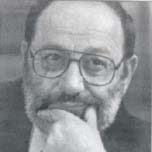
Escrito por Umberto Eco
La obra de Umberto Eco (1932-2016) ha sido fundamental para entender la historia del siglo XX y de nuestros días. Durante mucho tiempo se dedicó a la enseñanza en la universidad, y sus ensayos son textos de consulta obligada en las universidades de todo el mundo. Hace más de treinta años hizo su entrada triunfal en el mundo de la ficción con El nombre de la rosa, una novela que lo convirtió en un autor apreciado no solo por la crítica, sino también por el gran público. A este primer éxito siguieron El péndulo de Foucault, La isla del día de antes, Baudolino, La misteriosa llama de la reina Loana, El cementerio de Praga, Número Cero. Tras su muerte, el 19 de febrero de 2016, Lumen ha publicado sus libros inéditos De la estupidez a la locura -la obra póstuma que el autor había entregado a imprenta pocos días antes-, A hombros de gigantes y La memoria vegetal, y los ensayos contenidos en Contra el fascismo, Migración e intolerancia y Cómo viajar con un salmónn, y una adaptación gráfica de El nombre de la rosa realizada por Milo Manara.