
Imprescindibles


Ficción

No Ficción
Ciencias y tecnología Biología Ciencias Ciencias naturales Divulgación científica Informática Ingeniería Matemáticas Medicina Salud y dietas Filología Biblioteconomía Estudios filológicos Estudios lingüísticos Estudios literarios Historia y crítica de la Literatura
Humanidades Autoayuda y espiritualidad Ciencias humanas Derecho Economía y Empresa Psicología y Pedagogía Filosofía Sociología Historia Arqueología Biografías Historia de España Historia Universal Historia por países

Infantil



Juvenil
#Jóvenes lectores Narrativa juvenil Clásicos adaptados Libros Wattpad Libros Booktok Libros de influencers Libros de Youtubers Libros Spicy Juveniles Libros LGTBIQ+ Temas sociales Libros ciencia ficción Libros de acción y aventura Cómic y manga juvenil Cómic juvenil Manga Shonen Manga Shojo Autores destacados Jennifer L. Armentrout Eloy Moreno Nerea Llanes Hannah Nicole Maehrer
Libros de fantasía Cozy Fantasy Dark academia Hadas y Fae Romantasy Royal Fantasy Urban Fantasy Vampiros y hombres lobo Otros Misterio y terror Cozy mistery Policiaca Spooky Terror Thriller y suspense Otros
Libros románticos y de amor Dark Romance Clean Romance Cowboy Romance Mafia y amor Romance dramatico Romcom libros Sport Romance Otros Clichés Enemies to Lovers Friends to Lovers Hermanastros Slow Burn Fake Dating Triángulo amoroso

Cómic y manga
Novela gráfica Novela gráfica americana Novela gráfica europea Novela gráfica de otros países Personajes, series y sagas Series y sagas Star Wars Superhéroes Cómics DC Cómics Marvel Cómics otros superhéroes Cómics Valiant
Cómics Libros de ilustración Cómic de humor Comic erótico Historia y técnica del cómic Cómic infantil y juvenil Cómic infantil Cómic juvenil

Top más leídos


Books in English 
The Secrets Of Secrets
A thrilling and long-awaited new novel from Dan Brown



eBooks
Literatura Contemporánea Narrativa fantástica Novela de ciencia ficción Novela de terror Novela histórica Novela negra Novela romántica y erótica Juvenil Más de 13 años Más de 15 años Infantil eBooks infantiles
Humanidades Autoayuda y espiritualidad Ciencias humanas Economía y Empresa Psicología y Pedagogía Filosofía Historia Historia de España Historia Universal Arte Cine Música Historia del arte
Ciencia y tecnología Ciencias naturales Divulgación científica Medicina Salud y dietas Filología Estudios lingüísticos Estudios literarios Historia y crítica de la Literatura Estilo de vida Cocina Guías de viaje Ocio y deportes

Michael J. Kruger
Estudió en el seminario teológico de Westminster, en California, y en la Universidad de Carolina del Norte. Realizó su doctorado en la Universidad de Edinburgo (Reino Unido) bajo la dirección de Larry W. Hurtado, especializándose después en el desarrollo del canon neotestamentario. Desde 2002 desempeña su labor docente como profesor de Nuevo Testamento y orígenes del cristianismo en el Reformed Theological Seminary de Charlotte (Carolina del Norte), del cual ha sido presidente, así como de la Sociedad Teológica Evangélica. Pertenece a distintas instituciones como la Society of Biblical Literature, la American Academy of Religion y la Studiorum Novi Testamenti Societas. Es ministro ordenado de la Iglesia presbiteriana evangélica. Entre sus obras cabe destacar: «The Gospel of the Savior», 2005; «The Heresy of Orthodoxy», 2010; «Canon Revisited», 2012; «The Question of Canon», 2013; y «Miniature Codices in Early Christianity», 2025.
Recibe novedades de Michael J. Kruger directamente en tu email
Filtros
Del 1 al 4 de 4
Ediciones Sígueme, S. A. 9788430122684
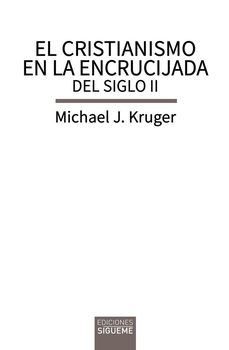
En la historia del cristianismo, el siglo II tiene cada vez más importancia. No solo es el eslabón que conecta el nacimiento de la Iglesia y su institucionalización en los siglos III y IV, sino que anticipa los rasgos de su fisonomia futura.Una de las claves de este periodo, a menudo olvidado, es el incremento de los creyentes venidos de la gentilidad y su paulatina visibilidad en la sociedad grecorromana, que los convertira en una amenaza para el modo de vida imperante.En el interior de la Iglesia, se inicia el cambio de las estructuras y del liderazgo para salvaguardar el equilibrio entre la rica pluralidad de los distintos grupos y la unidad que ofrece una regla de fe compartida. Por otra parte, la estima de los cristianos por los libros y la escritura hace que se asemejen mas a una filosofia de vida que a una religion. En esta linea, desarrollaran una literatura apologetica para defenderse y fijaran el canon de los textos que se consideran Palabra de Dios.Cuando el siglo II llegue a su fin, el cristianismo ya habra provocado en la sociedad algunos cambios que anuncian el comienzo de una nueva epoca.Michael J. Kruger es profesor de Nuevo Testamento y origenes del cristianismo en el Reformed Theological Seminary de Charlotte (Carolina del Norte).
Ver más
Tapa blanda
Crossway 9781433572104
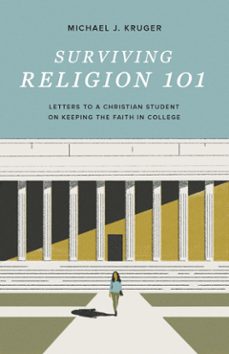
"I cant imagine a college studentskeptic, doubter, Christian, strugglerwho wouldnt benefit from this book." Kevin DeYoungFor many young adults, the college years are an exciting period of selfdiscovery full of new relationships, new independence, and new experiences. Yet college can also be a time of personal testing and intense questioning especially for Christian students confronted with various challenges to Christianity and the Bible for the first time.Drawing on years of experience as a biblical scholar, Michael Kruger addresses common objections to the Christian faiththe exclusivity of Christianity, Christian intolerance, homosexuality, hell, the problem of evil, science, miracles, and the reliability of the Bible.If youre a student dealing with doubt or wrestling with objections to Christianity from fellow students and professors alike, this book will equip you to engage secular challenges with intellectual honesty, compassion, and confidenceand ultimately graduate college with your faith intact.
Ver más
eBook
Crossway 9781433530814
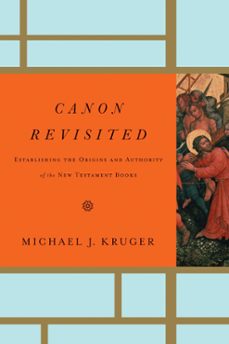
Given the popular-level conversations on phenomena like the Gospel of Thomas and Bart Ehrmans Misquoting Jesus, as well as the current gap in evangelical scholarship on the origins of the New Testament, Michael Krugers Canon Revisited meets a significant need for an up-to-date work on canon by addressing recent developments in the field. He presents an academically rigorous yet accessible study of the New Testament canon that looks deeper than the traditional surveys of councils and creeds, mining the text itself for direction in understanding what the original authors and audiences believed the canon to be.Canon Revisited provides an evangelical introduction to the New Testament canon that can be used in seminary and college classrooms, and read by pastors and educated lay leaders alike. In contrast to the prior volumes on canon, this volume distinguishes itself by placing a substantial focus on the theology of canon as the context within which the historical evidence is evaluated and assessed. Rather than simply discussing the history of canonrehashing the Patristic data yet againKruger develops a strong theological framework for affirming and authenticating the canon as authoritative. In effect, this work successfully unites both the theology and the historical development of the canon, ultimately serving as a practical defense for the authority of the New Testament books.
Ver más
eBook
KOSTENBERGER, ANDREAS J. y Michael J. Kruger
Crossway 9781433521799
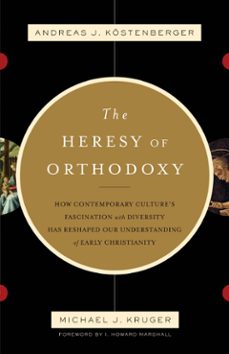
Beginning with Walter Bauer in 1934, the denial of clear orthodoxy in early Christianity has shaped and largely defined modern New Testament criticism, recently given new life through the work of spokesmen like Bart Ehrman. Spreading from academia into mainstream media, the suggestion that diversity of doctrine in the early church led to many competing orthodoxies is indicative of todays postmodern relativism. Authors Kostenberger and Kruger engage Ehrman and others in this polemic against a dogged adherence to popular ideals of diversity.Kostenberger and Krugers accessible and careful scholarship not only counters the "Bauer Thesis" using its own terms, but also engages overlooked evidence from the New Testament. Their conclusions are drawn from analysis of the evidence of unity in the New Testament, the formation and closing of the canon, and the methodology and integrity of the recording and distribution of religious texts within the early church.
Ver más
eBook
Del 1 al 4 de 4