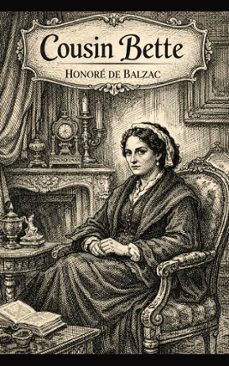
Cousin Bette is one of Honoré de Balzacs most intense and psychologically penetrating novels, a dark and compelling exploration of envy, ambition, betrayal, and the destructive power of resentment. As a central work in Balzacs monumental series La Comedie Humaine, this gripping narrative dissects the moral decay beneath the glittering surface of Parisian high society in the 19th century.At the heart of the story is Lisbeth Fischerknown as Cousin Bettea poor relation of the wealthy Hulot family. Overlooked, unmarried, and long overshadowed by her more beautiful and fortunate relatives, Bette harbors a quiet but growing bitterness. Years of neglect and humiliation ferment into a calculated desire for revenge. Intelligent, patient, and ruthlessly observant, she waits for the perfect moment to strike.The Hulot family, outwardly respectable and socially prominent, is already weakened by hidden excesses and moral failings. Baron Hulots reckless indulgence and financial irresponsibility threaten the familys stability, while vanity and ambition blind its members to the dangers gathering around them. Into this fragile environment steps Bette, who forms a strategic alliance with the captivating and manipulative Valerie Marneffea woman equally skilled in deception and social maneuvering.Together, they orchestrate a web of emotional manipulation, financial exploitation, and calculated betrayal that slowly ensnares the Hulots and their associates. Balzac masterfully traces how greed, lust, pride, and vengeance intertwine, exposing the vulnerability of those who believe themselves secure. What unfolds is not merely personal revenge but a broader commentary on the corrosive effects of unchecked desire and social ambition.Through vivid characterization and intricate plotting, Balzac reveals the fragile foundations of wealth and respectability. The novel examines the shifting social structures of post-Napoleonic France, where fortunes rise and fall with alarming speed and moral compromise often replaces virtue. In this world, appearances mask desperation, loyalty is tested by self-interest, and even family bonds can become battlegrounds.Yet Cousin Bette is more than a tale of vengeance. It is a profound study of human psychology. Balzac portrays Bette not as a simple villain, but as a deeply wounded individual shaped by exclusion and disappointment. Her calculated schemes are driven by long-suppressed pain, making her both terrifying and tragically human. Likewise, the weaknesses of her adversaries render them complicit in their own downfall.Balzacs prose is rich, incisive, and unflinching in its realism. With remarkable detail, he captures the rhythms of Parisian lifeits salons, studios, households, and financial dealingswhile dissecting the moral tensions beneath them. The novels emotional intensity and sharp social critique make it one of Balzacs most enduring and modern works.Dark, dramatic, and deeply insightful, Cousin Bette remains a powerful meditation on envy, power, and the consequences of hidden resentment. It is a timeless exploration of how personal grievances, when nurtured in silence, can erupt into forces capable of destroying families, fortunes, and lives. For readers who appreciate classic literature rich in character depth and social commentary, this unforgettable novel offers a gripping and thought-provoking journey into the complexities of the human heart.
Ver más