








📗 Libro en inglés BEAUTY: A HISTORY OF A WESTERN IDEA
SECKER AND WARBURG- 9780436205170
Sinopsis de BEAUTY: A HISTORY OF A WESTERN IDEA
Dazzlingly erudite, sumptuously illustrated and entirely unique, Beauty is a remarkable new work from one of the world's most renowned writers and thinkers. Beauty is neither a history of art, nor a history of aesthetics but Umberto Eco draws on the histories of both these disciplines to define the ideas of beauty that have informed sensibilities from the classical world to modern times. In terms of form and style, Beauty has been conceived for a vast and diversified readership: taking in painting, sculpture, architecture, film, photography, the decorative arts, novels and poems, it offers a rich and intelligent panorama of this huge subject. It traces the philosophy of aesthetics through history and examines some of the many treatises that have sought to define it. Beauty is Umberto Eco at his most captivating and eclectic: we read not only of Botticelli and Michelangelo but of how the fashion of the 1960s owes much to ancient Egyptian dress, and how ancient Roman and eighteenth-century hairstyles have much in common. It makes the familiar new, and sheds a brilliant new light on the unfamiliar. Illustrated in full colour throughout and produced to the highest standards, Beauty is an indispensable book.
Ficha técnica
Editorial: Secker And Warburg
ISBN: 9780436205170
Idioma: Inglés
Número de páginas: 220
Tiempo de lectura:
4h 30m
Encuadernación: Tapa dura
Fecha de lanzamiento: 25/08/2004
Año de edición: 2004
Plaza de edición: London
Especificaciones del producto
Escrito por Umberto Eco
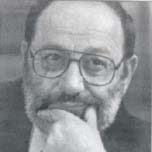
Nacido en 1932 en Alessandría (Italia), es catedrático de Semiótica de la Universidad de Bolonia. Mundialmente conocido por sus contribuciones a la filosofía, la estética, la teoría sociocultural, la historia y la crítica literaria, es autor de una veintena larga de obras de investigación y de tres grandes novelas, El nombre de la rosa, El péndulo de Foucault y La Isla del día antes. Galardonado con muchos premios de gran prestigio y honrado con 25 títulos de doctor honoris causa, Umberto Eco intervino en muchas ocasiones en la escena política con actos de protesta y de boicot, por ejemplo en relación con la guerra contra Chechenia. Es fundador de la Escuela Superior de Estudios Humanísticos de Bolonia y de la Asociación Internacional de Semiotica.
Descubre más sobre Umberto Eco Recibe novedades de Umberto Eco directamente en tu email
Opiniones sobre BEAUTY: A HISTORY OF A WESTERN IDEA
¡Sólo por opinar entras en el sorteo mensual de tres tarjetas regalo valoradas en 20€*!
Los libros más vendidos esta semana


Tapa dura
(10)